
Lutz, FL
Garage Door Spring Repair, Built Around Lutz's Housing Stock
Torsion and extension spring repair for Lutz homes built mostly between 1975 and 2011. Same system logic, different cycle counts by neighborhood age.
Doing It Yourself
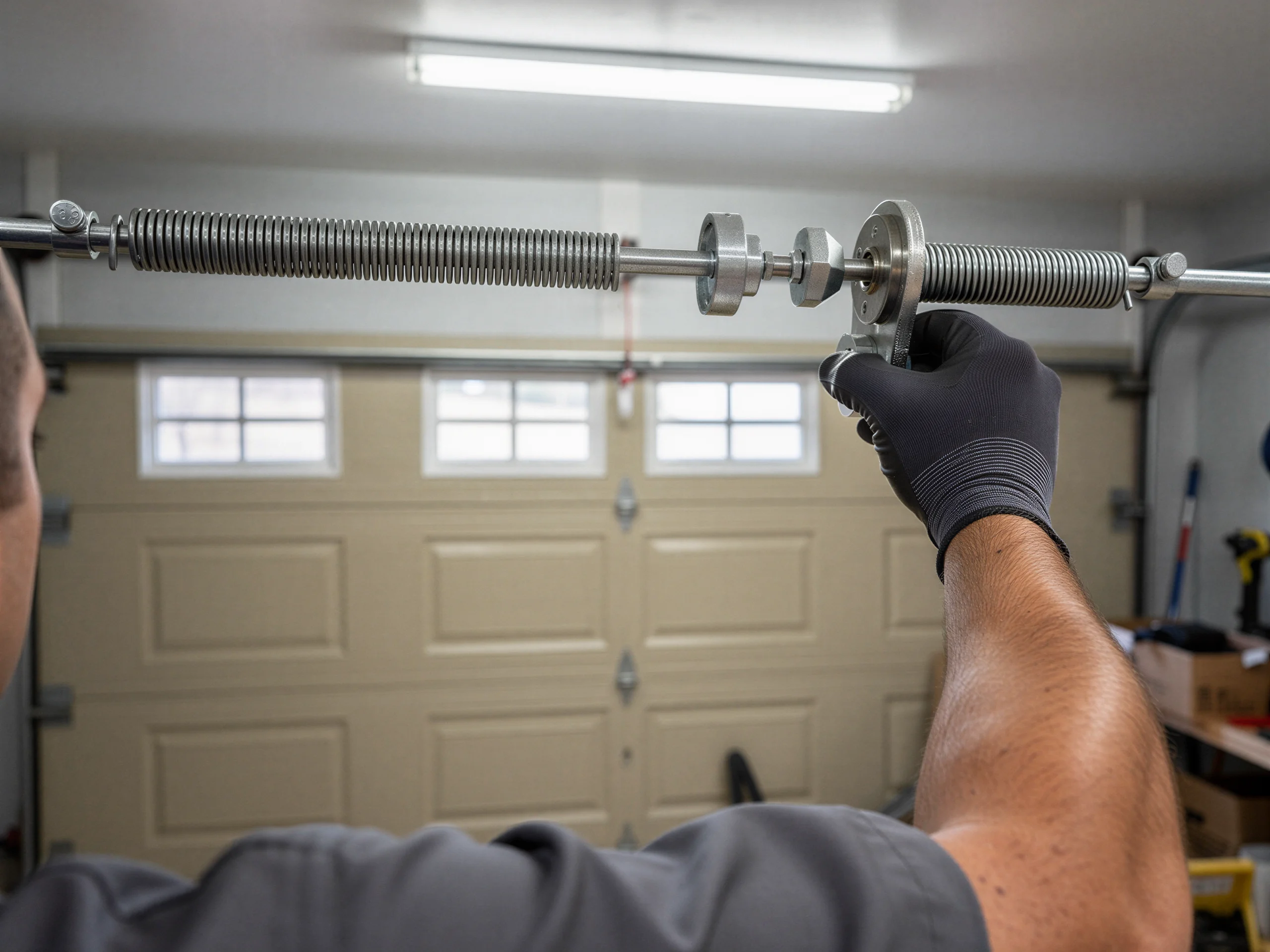
A torsion spring holds enough stored tension to break a bone or worse if it lets go while you're working on it. That's true everywhere, not just here, but it's worth saying plainly before anything else: don't cut a wound spring, don't loosen the set screws on the winding cone without the right bars, and don't try to "wind it a little more" to get a sluggish door moving.
Adjustments beyond DIY
If the spring is still intact but the door is heavy, off-balance, or slamming the last foot of travel, that's adjustment work, not a DIY afternoon. We've seen attempted fixes that turned a $200 spring job into a bent track and a dented panel.
Safe DIY checks
If you're comfortable with basic tools, you can safely check things like loose hardware, worn weatherstrip, or a dirty track - that's fair game. The springs themselves, and anything touching the winding cones, aren't.
Spring as the symptom
One honest note: if your opener is also struggling and the door is pre-2000, sometimes the spring is the symptom and a tired opener motor is the bigger problem. We'll tell you which one it is instead of just replacing the spring and sending you on your way.
Why It Happens Here
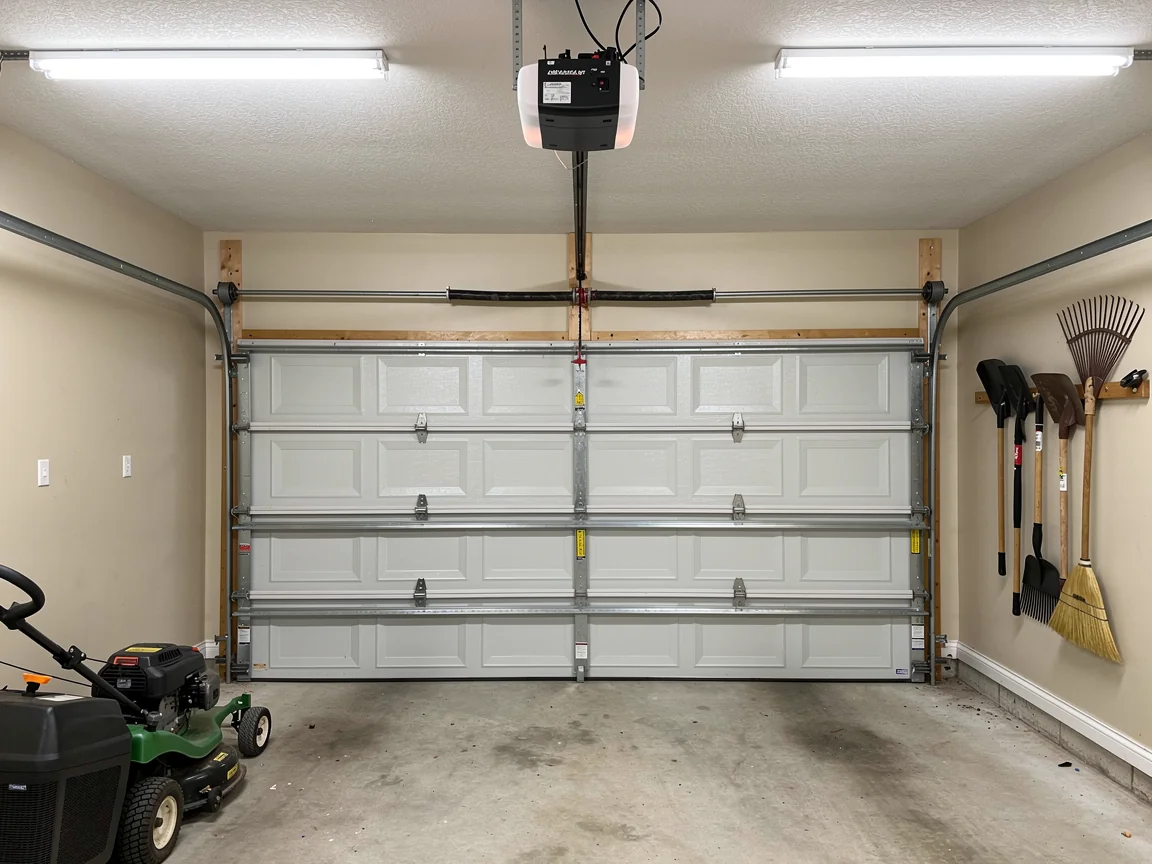
Housing across the Lutz service area was built mostly between 1975 and 2011, with the typical home dating to around 1988, and the bulk of that stock concentrated in the 1980s and 90s across the 21 named communities we work in. That matters for springs because torsion and extension springs are rated in cycles, not years - typically somewhere in the 7 to 12 year range under normal use, depending on the spring and how often the door runs. A house built in the late 80s or early 90s is now on its second, and in some cases third, set of springs, and a lot of those replacements happened without anyone checking whether the original spring size was even correct for the door weight. The mild temperate climate here doesn't put springs through the freeze-crack cycle you'd see further north, so the failure mode is mostly fatigue and corrosion from humidity, not brittle snapping in cold weather. That means springs here tend to weaken gradually - a door that gets harder to lift over months - rather than fail all at once from a cold snap, though a worn spring can still let go suddenly once it's past its cycle life.
How We Fix It
We start by checking the door's weight and spring size against what's actually installed, because a lot of the springs we find replacing an original from a 1980s or 90s build are the wrong size for the door - too light, usually, which shortens the life of the replacement.
Winding and wire matching
For torsion springs, that means unwinding the old spring safely with winding bars, pulling it off the shaft, and matching the new spring's wire size, inside diameter, and length to the door's actual weight rather than just swapping in the same part number.
Extension springs and safety cables
For extension springs, we check both sides are matched and that the safety cables are run correctly, since a lot of older installs in this area never had them. After the spring is in, we balance the door - it should hold position at waist height when disconnected from the opener.
Door drift after install
If it drifts up or down, the spring is still wrong. We also check cable condition and the winding cones while we're in there, since a spring job is the easiest time to catch a fraying cable before it becomes its own call.
How It Shows Up
The most common sign is a door that suddenly feels twice as heavy when you lift it by hand, or an opener that strains, clicks, and reverses partway through the cycle instead of finishing. Sometimes there's a loud bang from the garage - that's usually the spring itself letting go, not an opener fault. A door that closes unevenly, with one side dropping faster than the other, points to a broken spring on a double door with two torsion springs, where one has failed and the other is carrying the full load. You might also notice the cable has gone slack on one side, which is a secondary sign that the spring on that side isn't under tension anymore. None of these are emergencies you need to white-knuckle through, but a broken spring with the door stuck open is a security problem worth calling about the same day, especially in neighborhoods built in the 80s and 90s where the original springs are well past due for a second look.
Questions
Common questions
How long should a garage door spring last in Lutz?
Most torsion and extension springs are rated by cycles rather than years, generally landing somewhere between 7 and 12 years of normal use. Given that the typical home in our service area dates to around 1988, a lot of houses are on their second or third set of springs, and some of those replacements were sized incorrectly the first time, which shortens the life again.
Why did my spring break without warning?
Springs usually weaken gradually, but the final break often looks sudden because the last bit of fatigue happens fast once the metal is near its cycle limit. Our mild climate doesn't add the freeze-crack risk you'd see up north, so the usual cause here is straightforward wear, humidity-related corrosion, or a spring that was undersized for the door's weight.
Can I just replace one spring if I have two?
You can, but we generally don't recommend it. If one spring failed from age, the other is close behind on the same cycle count, and running a new spring against an old one puts uneven tension on the door. Replacing both at once is usually the better call, especially on a door that's original to a 1980s or 90s build.
Explore more
Explore More Services In Lutz, FL
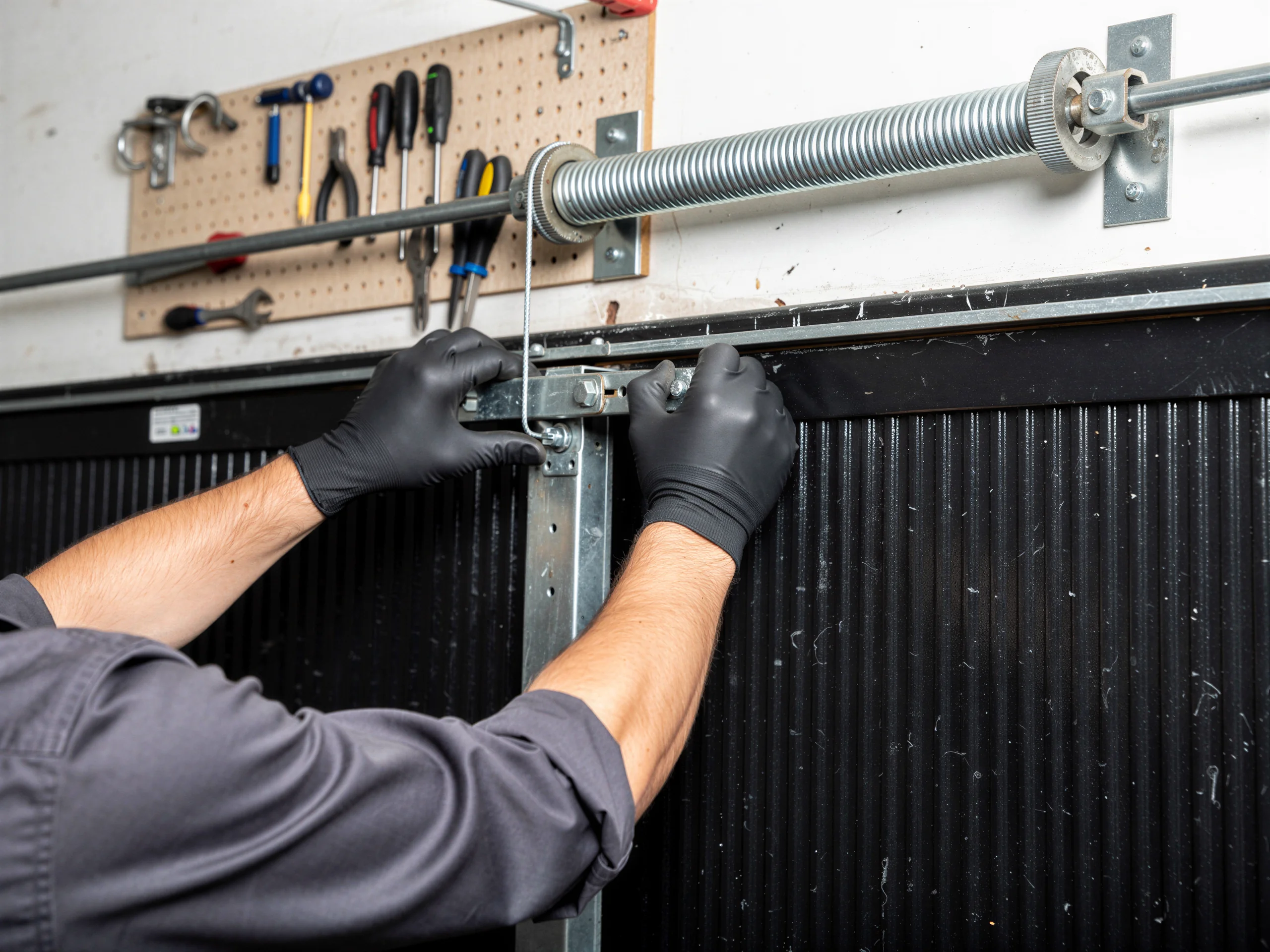
Garage Door Service for Lutz's 1980s and 90s Housing Stock
Garage door service for Lutz homes built 1975-2011, where original springs and opener gears are reaching end of cycle life in our mild, humid climate. Learn more →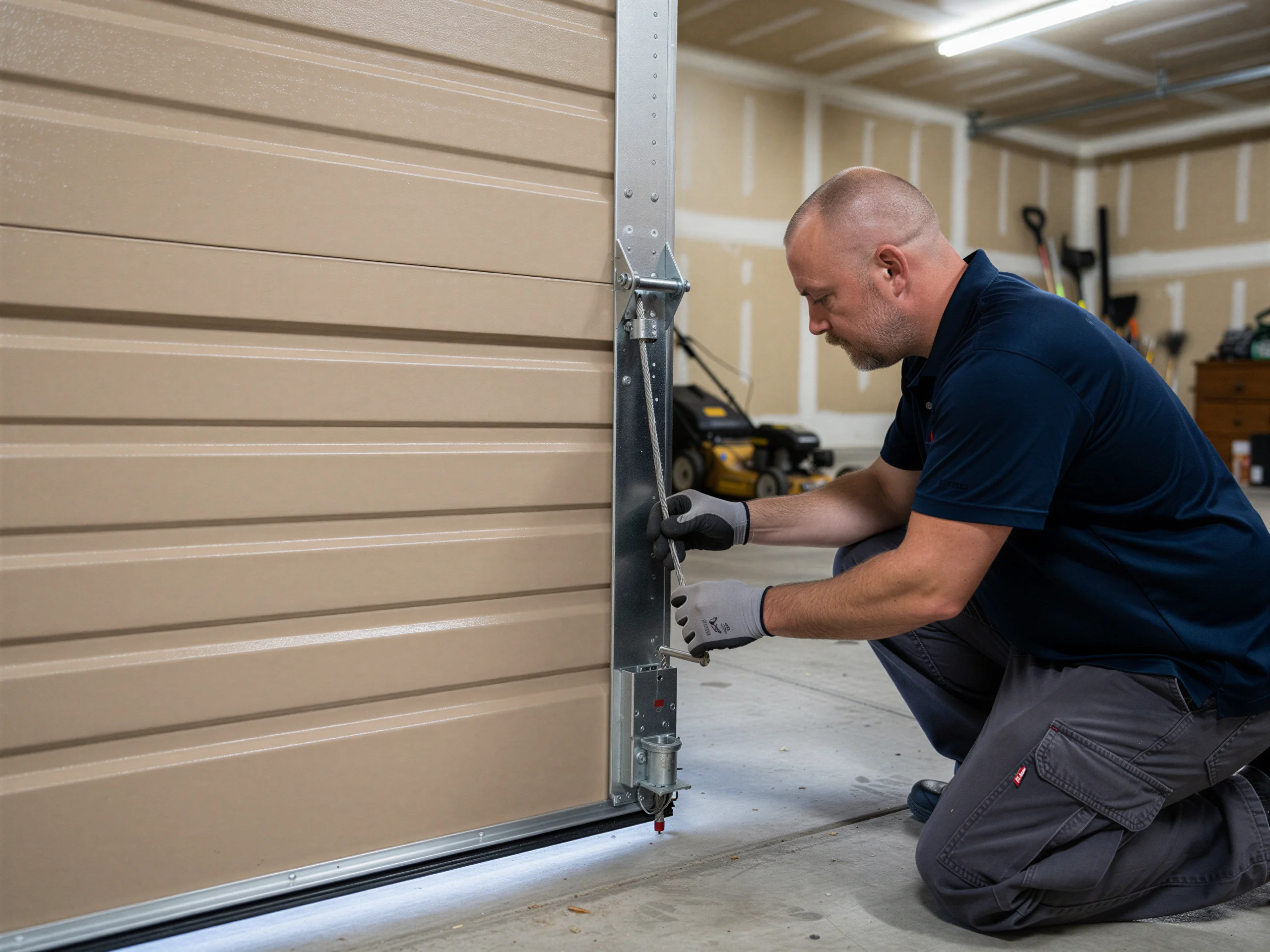
Garage Door Cable Repair Across the Lutz Service Area
Broken or frayed garage door cables are common in Lutz's 1980s-90s housing stock. Learn more →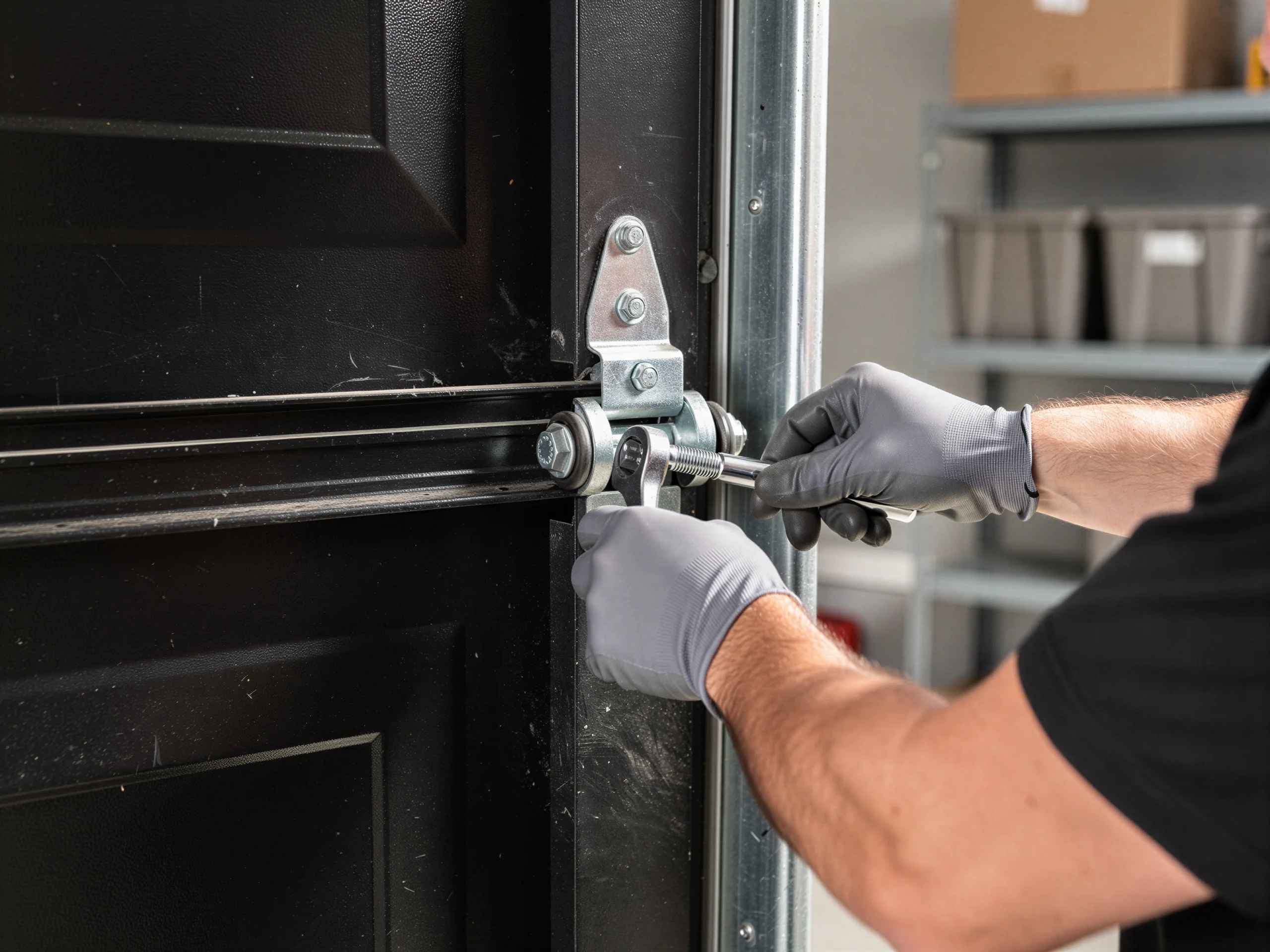
Garage Door Repair for Lutz's 1980s and 90s Housing Stock
Lutz homes mostly date to 1975-2011, median 1988 - original torsion springs and openers are aging out together. Learn more →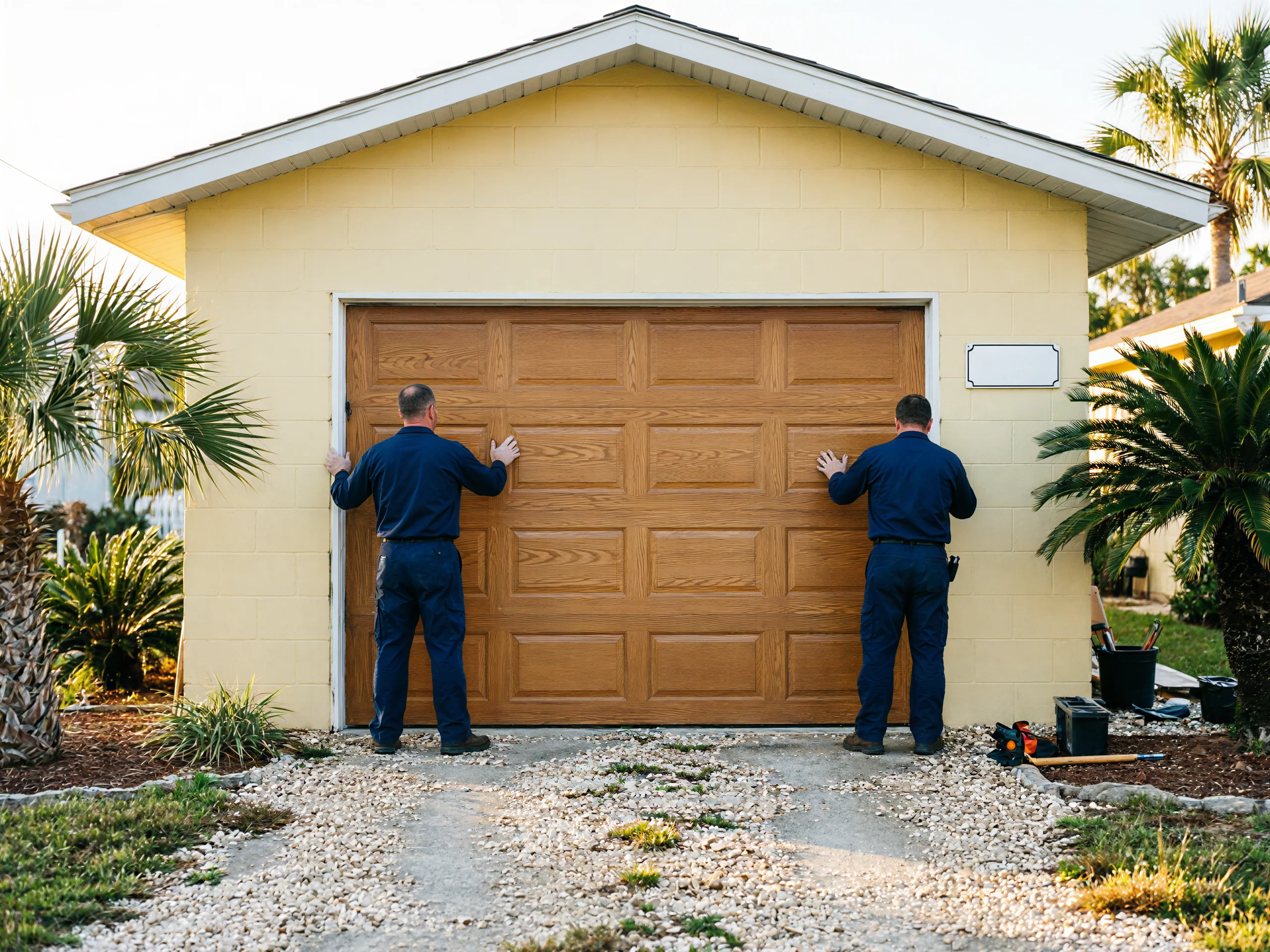
Garage Door Panel Replacement for Lutz Homes
Dented or cracked garage door panels are common on Lutz homes built from the 1980s and 90s. Learn more →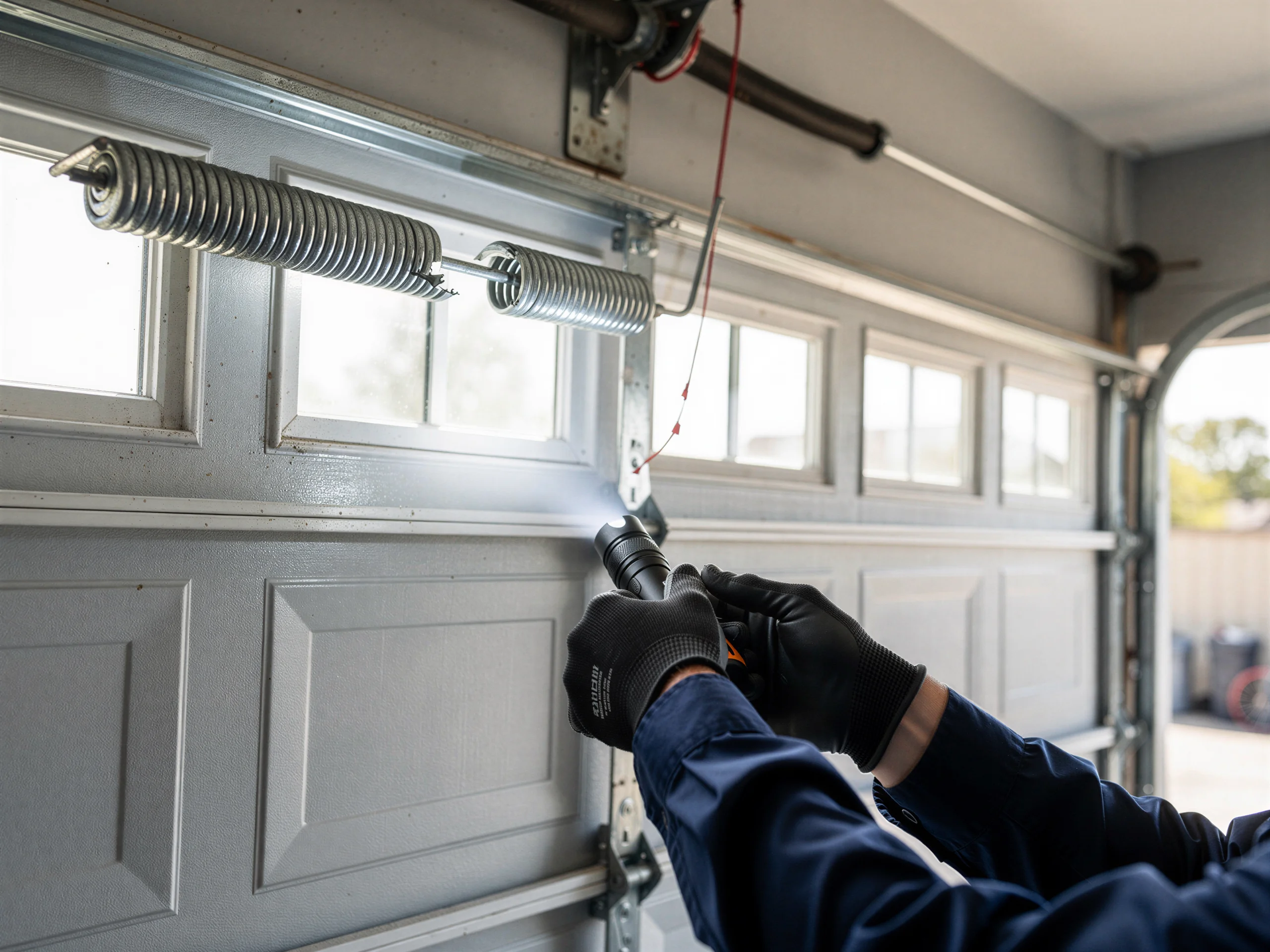
Emergency Garage Door Repair, Lutz FL
Broken spring or dead opener at a bad hour in Lutz? Learn more →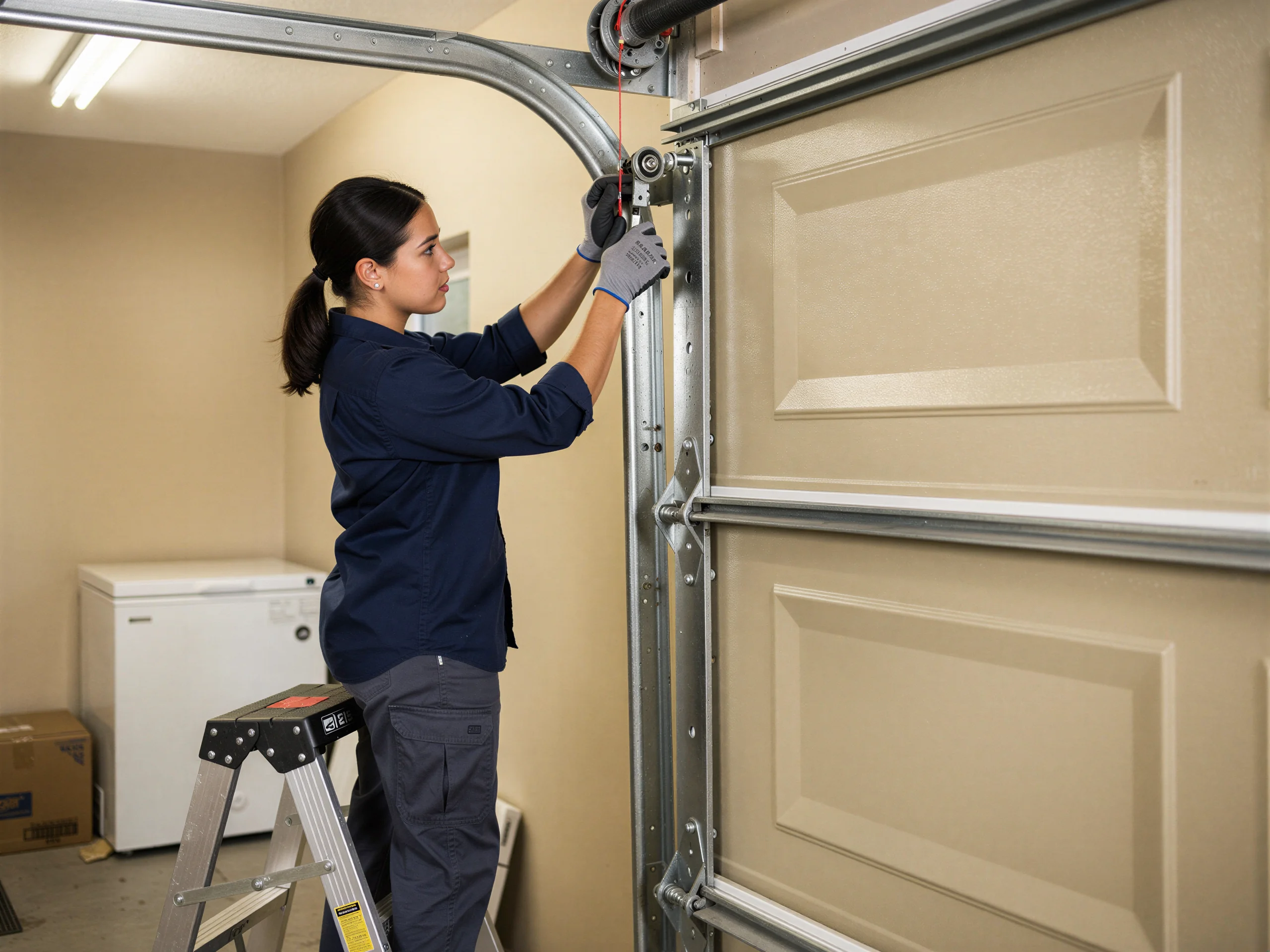
Ready when you are
Broken garage door spring in Lutz?
Lutz Garage Door Pros repairs and installs garage doors, springs and openers in Lutz, FL and the surrounding area.