Local detail
Where People Go Wrong
Most people in Lutz treat every squeak the same way: they grab a can of WD-40, spray the track, and call it fixed. That works for exactly one problem - a dry hinge - and does nothing for the other four or five things that make noise on a garage door.
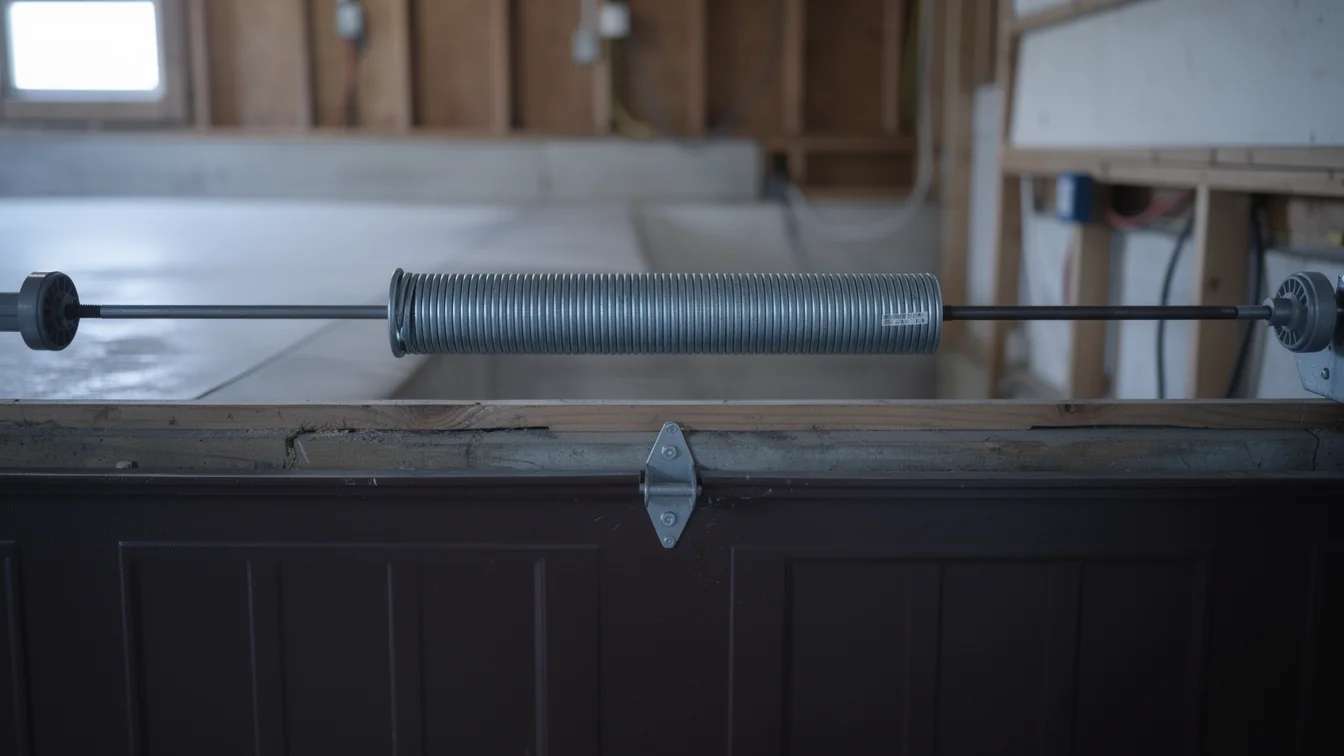
The issue is that most houses here were built between 1975 and 2011, with the median landing around 1988. That's a 36-year spread, but a lot of it clusters in 1980s and 90s construction across the named subdivisions in this area, from Cheval to West Meadows to Carrollwood Village Phase II. That means a huge share of doors in Lutz are running original or first-replacement torsion hardware that's now 30-plus years old, and the sound it makes has changed because the metal has changed, not because somebody forgot to lubricate it.
Spraying lube on a spring that's lost tension doesn't quiet it down - it just changes the pitch of the grinding. If you're treating a 1988-era torsion spring the same way you'd treat a five-year-old one, you're guessing at the wrong problem.
The area
The Situation
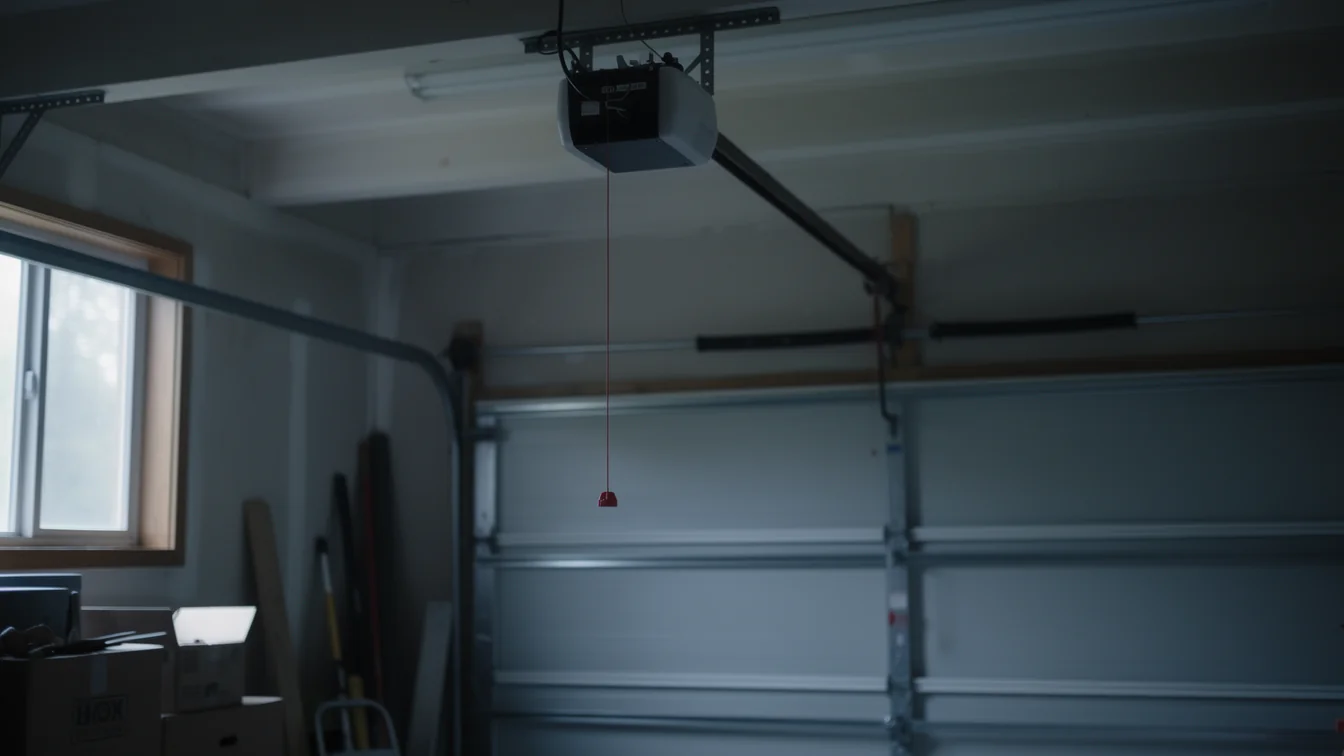
A door built when the median local home went up - call it 1988 - was engineered to a spring cycle count that assumes maybe 10,000 open-close cycles over its life. A family door in regular use burns through that faster than people expect. By the time a door in a Lutz home from that era is making a rhythmic thump on the way down, it's often not the opener. It's a spring that's past its rated cycles, flexing unevenly instead of smoothly, and the opener motor is just the thing translating that into sound.
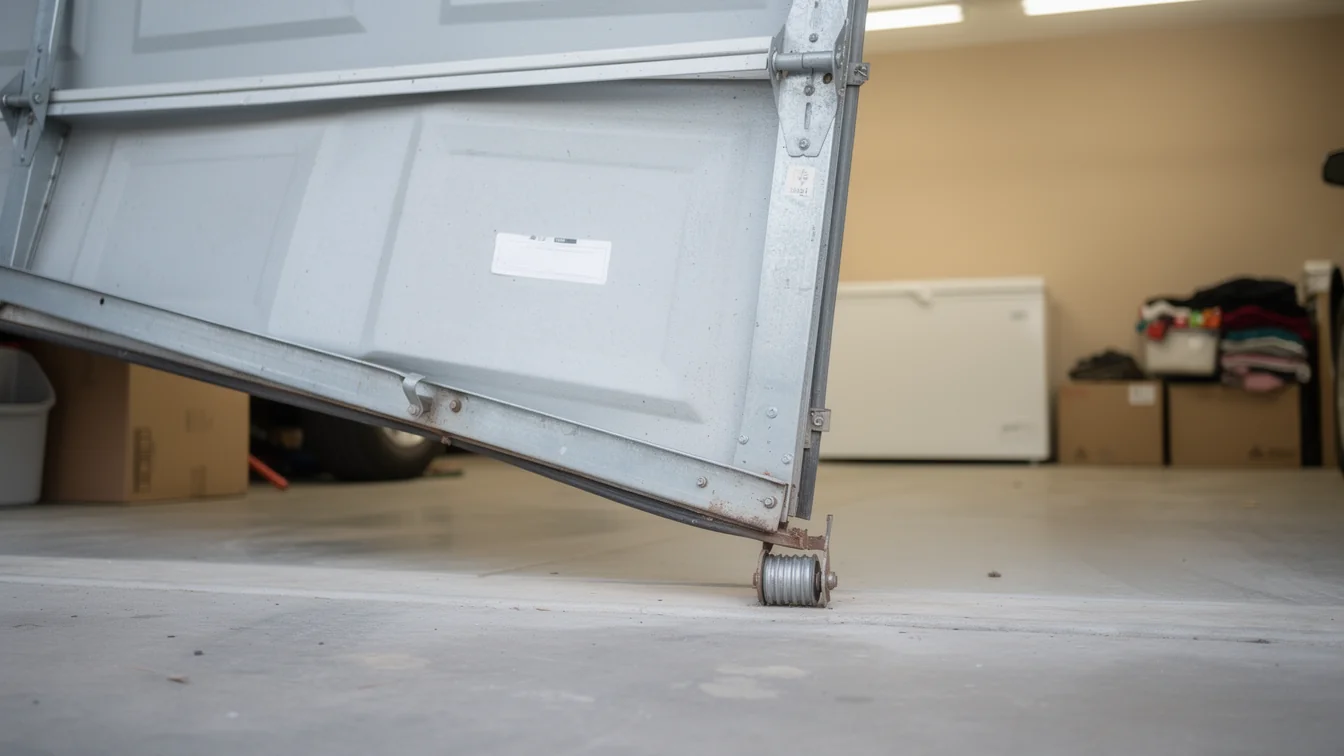
Houses built later in that 1975-2011 range, closer to 2005 or later, usually have different track and roller setups - nylon rollers instead of steel, lighter-gauge track - and those make a different kind of noise when something's off. A steel-roller door grinds. A nylon-roller door on newer track tends to click or pop at the same spot in the cycle, which usually points at a bent track section or a roller that's starting to crack, not a spring.
What we find
Leaving It Alone
The mild temperate climate here means Lutz doors don't fight the swings that cause real metal fatigue in places with hard freezes or big humidity swings - no panels warping from frost, no steel contracting and expanding season to season. That's a real advantage, and it's part of why some of these original-era doors in Lutz have lasted this long without major failure.
But mild climate doesn't mean no climate. It means the noise you're hearing is mechanical wear, not weather damage, and mechanical wear doesn't take a break. A spring with uneven tension keeps flexing unevenly every single cycle. A cracked roller keeps cracking further. Left alone, a noise that started as an annoyance becomes a spring letting go under load, and on a heavier double door that's enough force to bend track or crack a panel on the way down. We don't say that to scare anyone into a service call - we say it because the honest version of "it's probably fine" is "it's fine until the day it isn't, and there's no way to predict that day from the sound alone."
How we work
What Local Conditions Do
Because Lutz doesn't get the freeze-thaw cycles or heavy seasonal humidity swings that stress garage door hardware elsewhere, the failures we see here tend to be driven by age and cycle count rather than weather damage. That lines up with the housing stock: with median construction around 1988 and most of the area's 21 named subdivisions built out through the 80s and 90s, a lot of doors are simply reaching the end of their original hardware's working life at roughly the same time, regardless of how well they were maintained.
That's useful to know because it means the fix is usually mechanical and predictable - a spring replacement, a roller swap, a track alignment - not a mystery requiring guesswork. If your door was installed new sometime in that 1975-2011 window and you haven't touched the spring since, the noise you're hearing is very likely that spring telling you its cycle life is spent.
Talk to a local pro
Garage door trouble in Lutz?
Same-day service with honest, upfront quotes.