Local detail
Where People Go Wrong
The mistake we see most in Lutz is treating every garage door problem the same way, no matter how old the door is. A homeowner in a house built in 1990 calls about a noisy opener and expects a thirty-dollar fix, because that's what a neighbor paid last year for a different problem on a different-age door. But most of the housing stock here went up between 1975 and 2011, with the bulk of it dating to the 1980s and 90s, which means a lot of doors and openers out there are now 25 to 40 years old. At that age, the part that's failing often isn't the part the homeowner thinks it is. A grinding opener gearset gets blamed on the motor when it's really the drive gear, which is a different repair with a different price. Guessing at the problem instead of having someone look at the actual door is how people end up paying twice - once for the wrong fix, once for the right one.
The area
The Situation
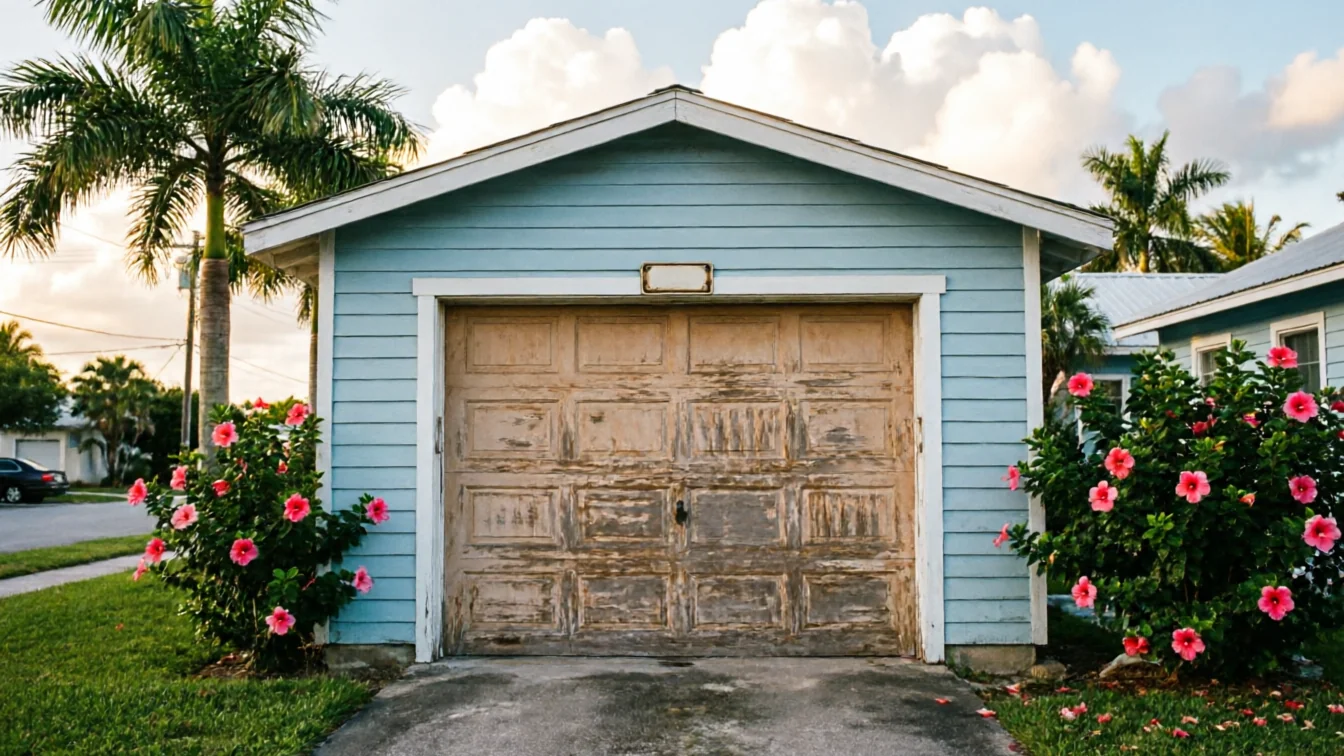
Across the 21 or so named areas in this part of the county, the pattern repeats: steel sectional doors installed when the house was built, openers replaced once somewhere along the way, original tracks and hardware still in service. With 37,565 owner-occupied houses in the broader service area and a median household income of $67,447, most of these doors were mid-range builder-grade units to start with - not bad doors, just not built to last forever. By year 30 or so, springs have usually been swapped at least once, but rollers, hinges, and the bottom seal are often still original. That's the part people don't think about: the door can look fine and still have hardware that's well past its rated cycle count, quietly working harder than it should every time it opens.
What we find
Leaving It Alone
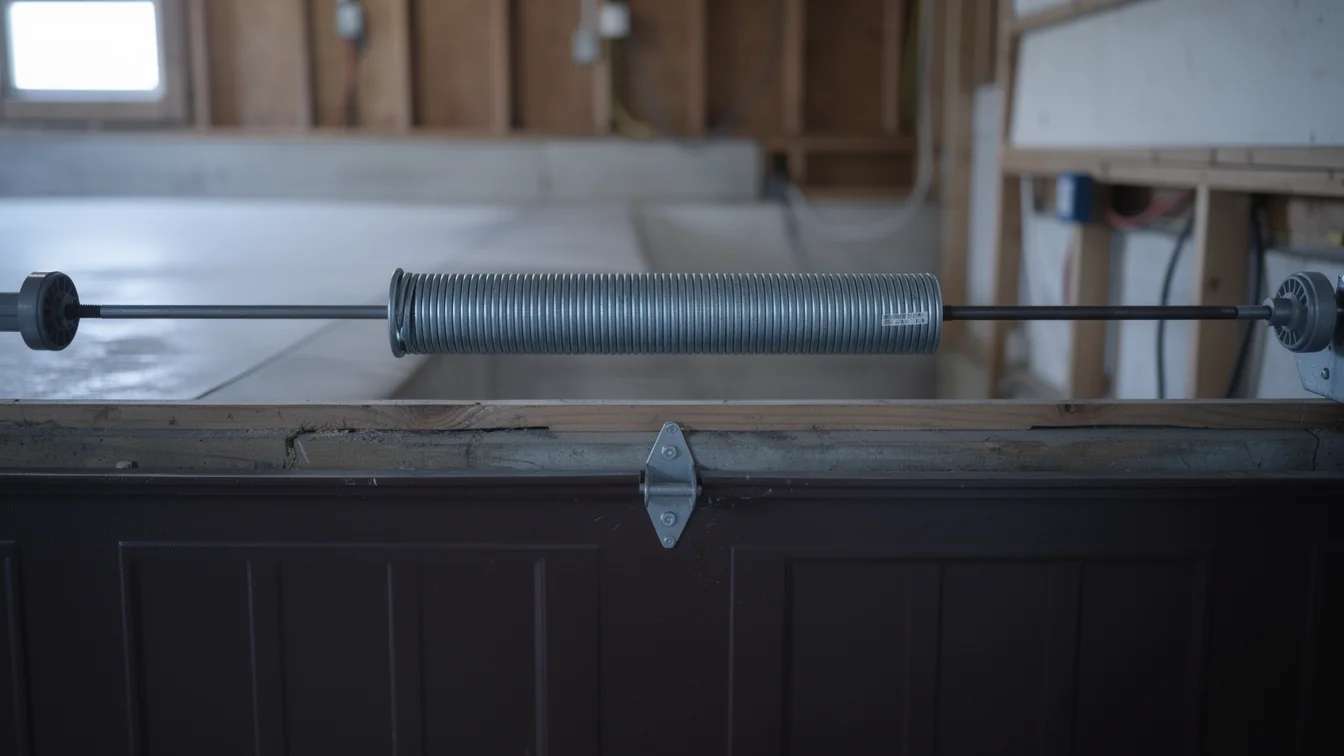
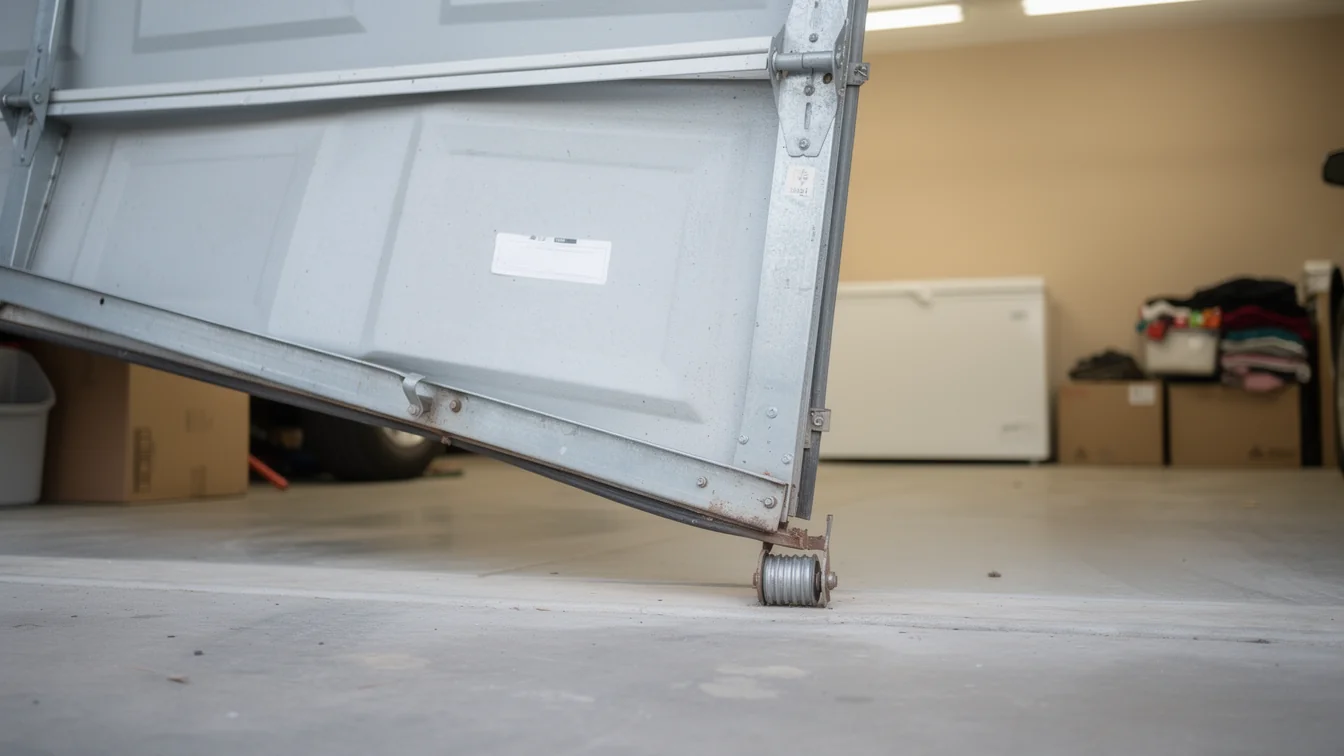
A mild temperate climate is actually kind to garage doors - no deep freeze-thaw cycles cracking panels, no heavy snow load stressing tracks. That's the honest upside of owning a door here. But mild weather doesn't mean no weather, and it doesn't stop mechanical wear. Leaving a worn roller or a stretched cable alone doesn't usually end in a dramatic failure overnight; it ends in the door getting slower, louder, and harder to align, until one day a cable lets go or a spring snaps under tension it was never rated for anymore. If your house falls in that 1980s-90s build window, and the door has never had a hardware service beyond a spring swap, it's worth having someone check the rollers and cables now rather than after something breaks.
How we work
What Local Conditions Do
Given the mild climate here, the thing that ages a Lutz garage door fastest usually isn't rust or weather damage - it's straight mechanical use over a long span of years. A door installed when a house was built in the late 1980s has likely opened tens of thousands of times by now. That cycle count, not sun or rain, is what wears out rollers, bearings, and cable strands. This is also where we're honest about limits: if a door's track is bent, the panels are dented past square, or the opener is an older chain-drive unit with no safety reversal sensors, repair stops making sense. At that point we'll tell you plainly that a repair bill is throwing money at a door that needs replacing, not fixing - and we'd rather say that upfront than sell you three separate repairs over two years.
Talk to a local pro
Garage door trouble in Lutz?
Same-day service with honest, upfront quotes.