Local detail
Where People Go Wrong
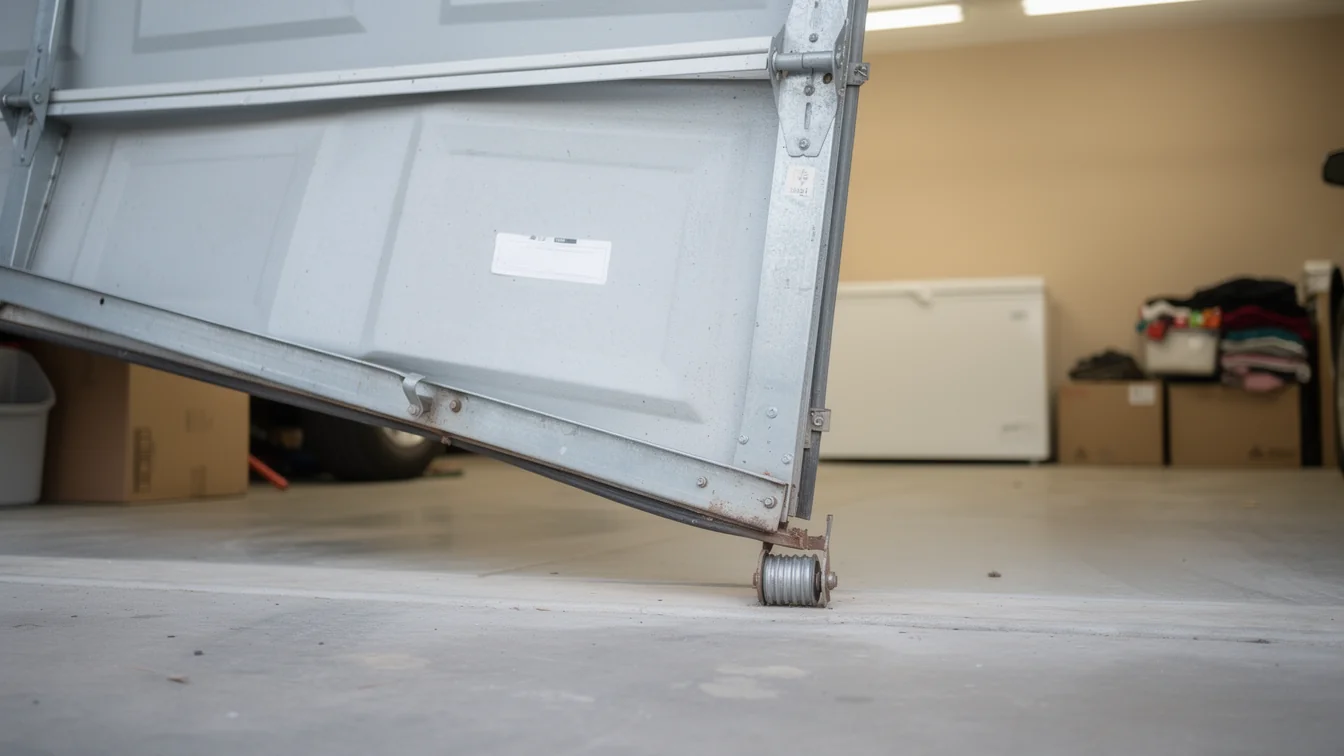
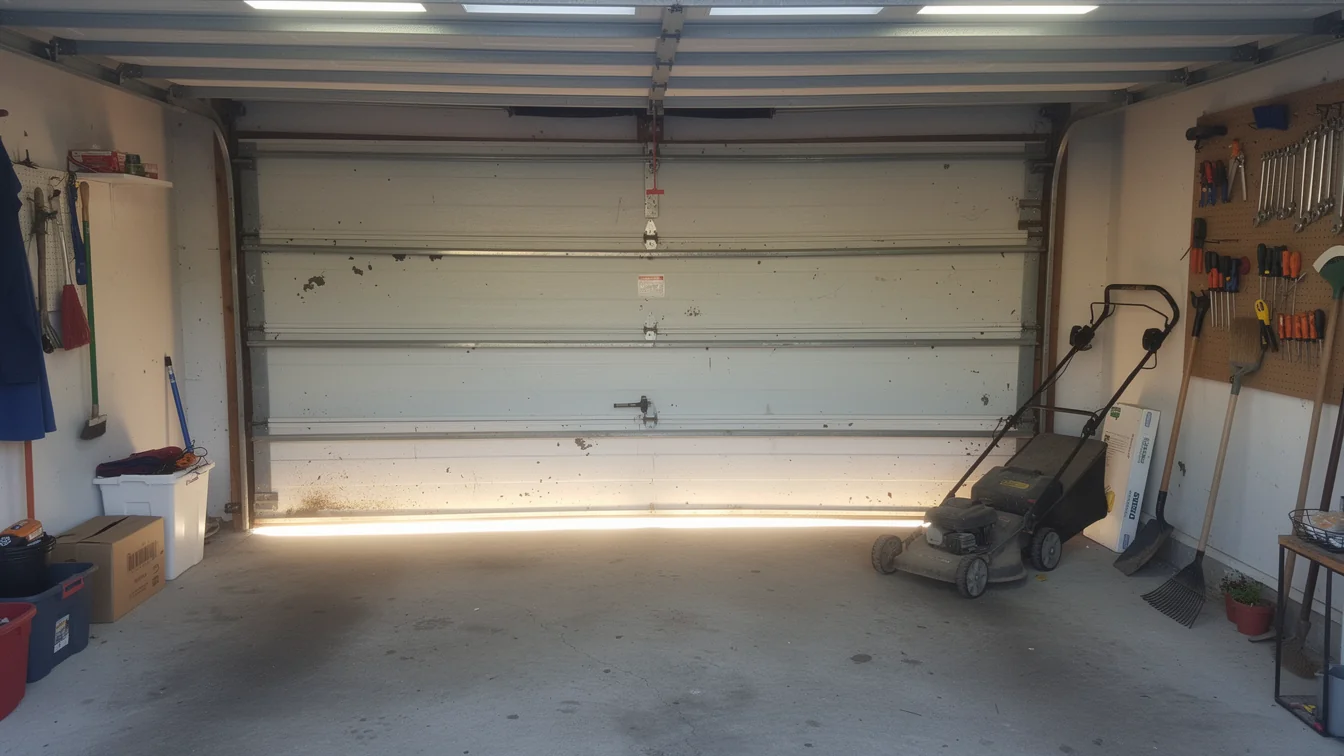
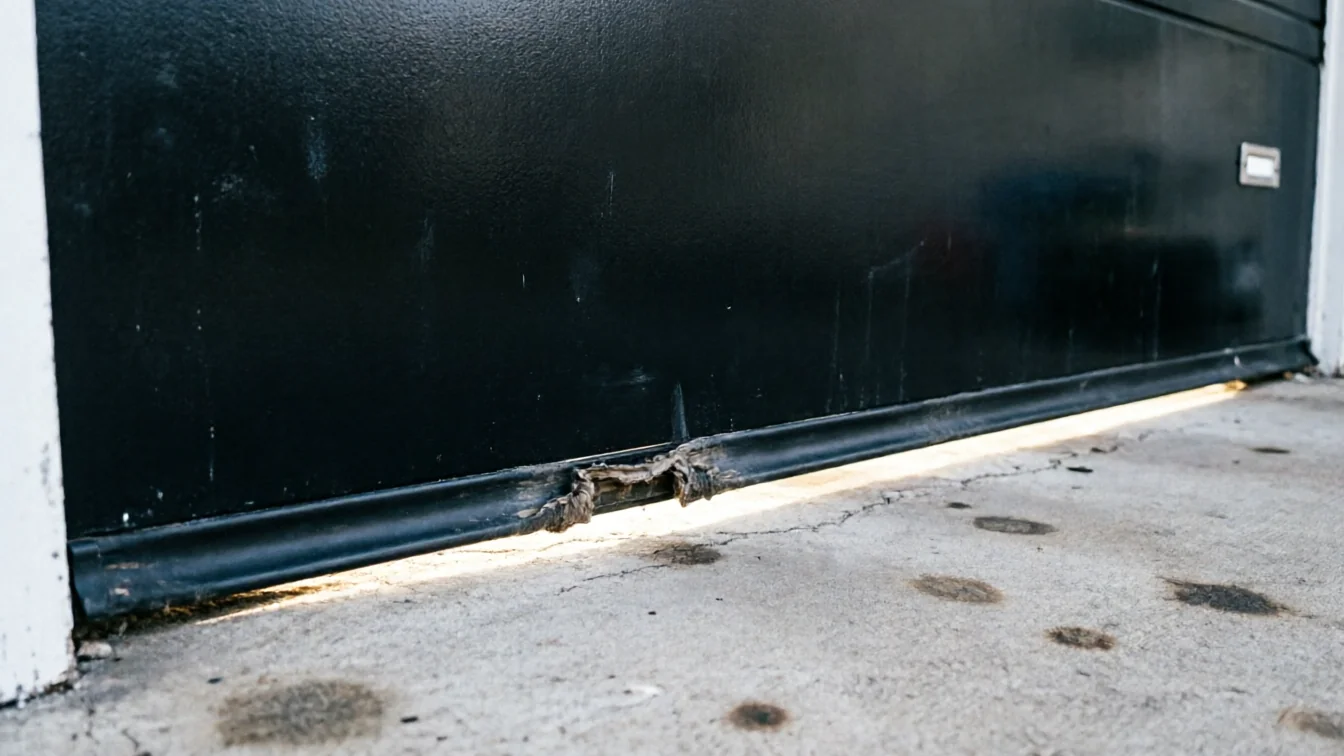
Most of the advice floating around about garage door seals comes from places with real winters, and it doesn't fit here. Owners in Lutz read about frost heave or ice damming on tracks and start worrying about problems that don't exist in this climate band. What they miss is the thing that actually happens: the bottom seal on a door installed any time from the late 1970s through the 2000s - which covers most of the housing stock across Lutz and the 21 named areas nearby - dries out and shrinks from UV and heat cycling, not cold. You get a visible gap at the slab, usually at one corner first, and it widens slowly enough that people stop noticing it. The other mistake is treating a draught as a sealing problem when it's really a leveling problem. A door that's racked slightly on its tracks will never seal right no matter how many new astragal strips you put on the bottom. Sealant without a level check is a temporary fix at best.
The area
The Situation
With median construction around 1988 and most of the surrounding neighborhoods built through the 1980s and 90s, a large share of garage doors in this service area are either original to the house or on their second install. That matters for seals specifically: doors from that era commonly used a narrower bottom astragal channel than what's sold today, so a standard replacement seal bought off a shelf doesn't always seat correctly without trimming or an adapter strip. In a mild temperate climate like this one, the seal doesn't fail from freezing and cracking - it fails from sun exposure on south and west facing doors, and from the sheer number of open-close cycles over 30-plus years of daily use. The draught you feel isn't usually one big gap. It's three or four small ones: bottom seal, both side jambs, and the gap where an aging panel has bowed slightly at the bottom corner.
What we find
Leaving It Alone
A draught by itself won't break your door. People put off dealing with it because it feels cosmetic - a little outside air, maybe a line of dust under the door after a windy day. The real cost shows up slower. Gaps at the bottom let in moisture during Florida's wet season, and moisture sitting against a wood-core panel bottom (common in doors from this build era) is what starts the swelling and delamination that eventually means panel replacement instead of a seal replacement. It also lets in the small stuff - palmetto bugs, lizards, the occasional lawn debris - that homeowners in this area deal with more than they'd like. None of that is an emergency. But a $20 seal job today is cheaper than a bottom panel section in two years.
How we work
What Local Conditions Do
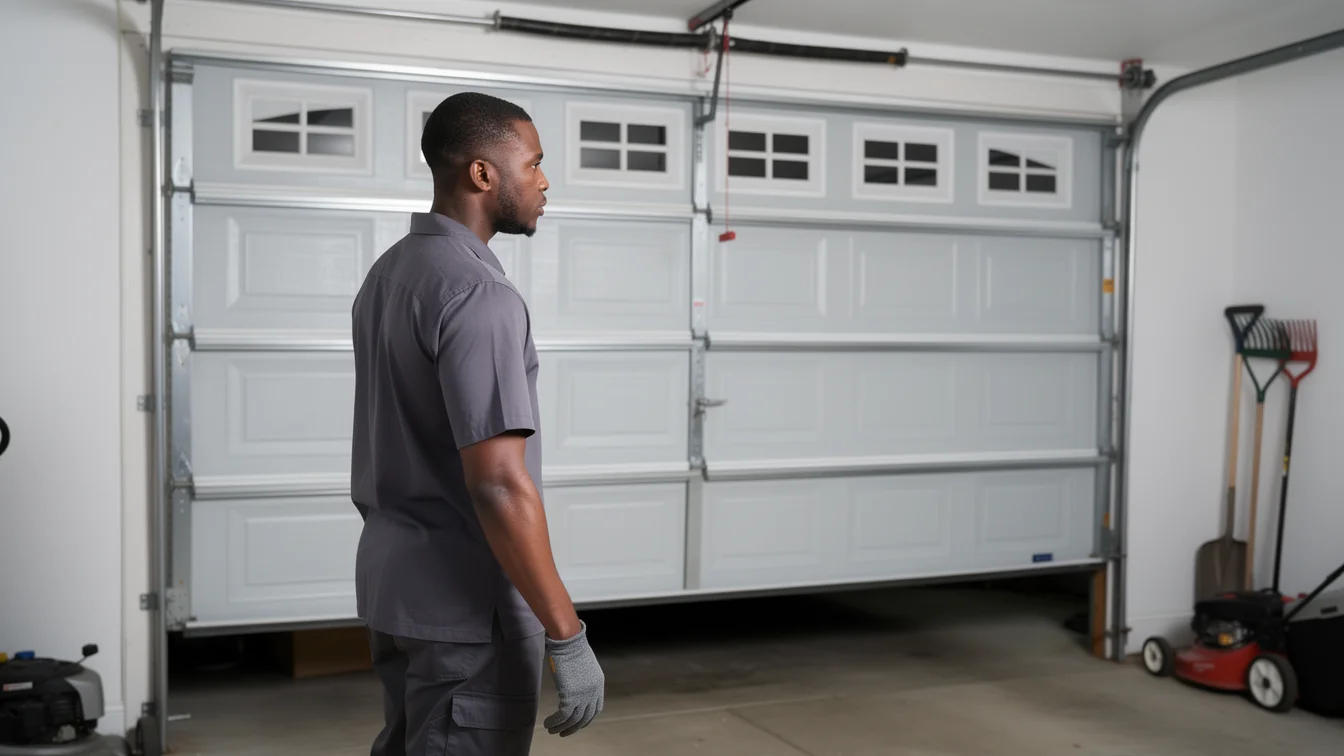
In a mild climate without hard freezes, garage door hardware doesn't fail the way it does up north - you're not dealing with ice-locked tracks or metal that's gone brittle from cold. What you get instead is steady UV and heat degradation on anything rubber or vinyl, plus humidity's effect on wood-core and particleboard panels, both common in the 1980s and 90s stock that makes up most of this area. We check seals as part of any service call, but we don't replace what's still doing its job just to run up a bill - if the astragal is pliable and seated, we leave it. We also don't stock every obsolete astragal channel width from every manufacturer that built doors here between 1975 and 2011; on older or oddball setups, that can mean a short wait on the exact part, and we'll tell you that up front rather than improvise a fix that won't hold.
Talk to a local pro
Garage door trouble in Lutz?
Same-day service with honest, upfront quotes.