Local detail
Where People Go Wrong
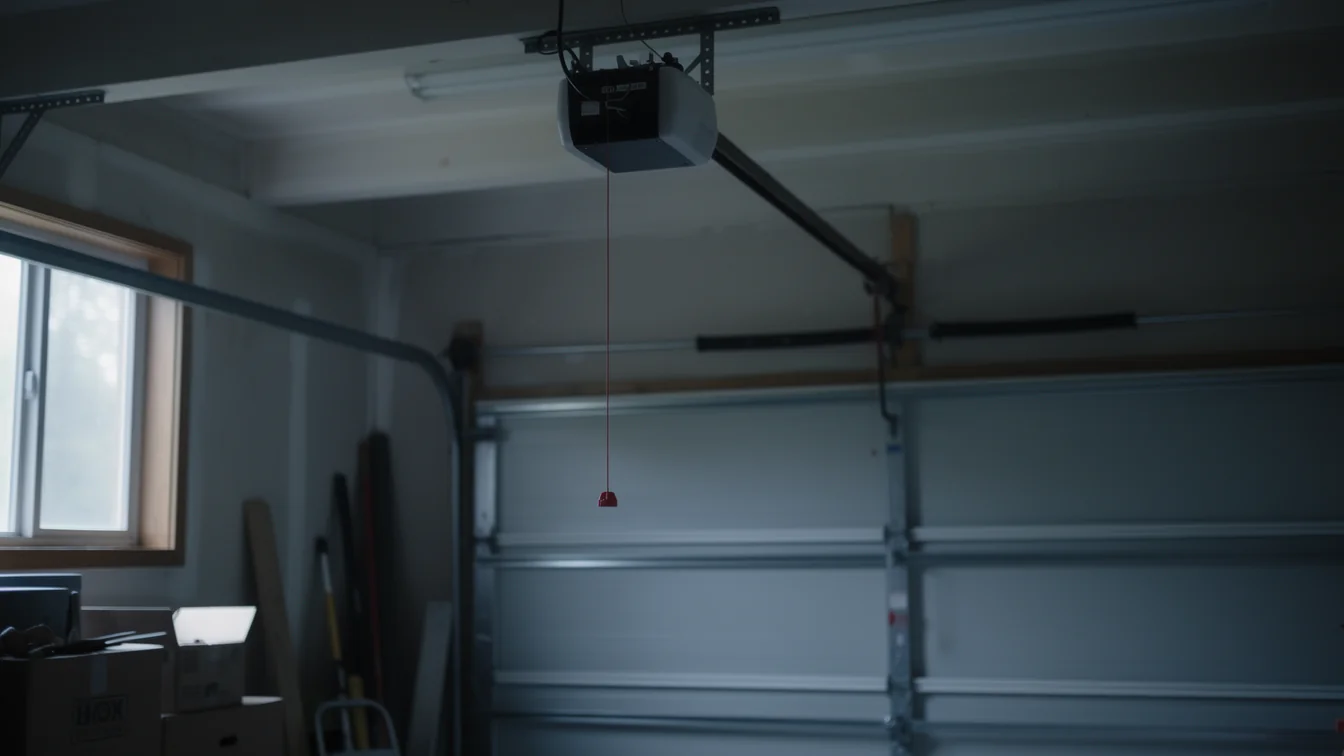
Most homeowners treat a garage door like a light switch: it works until it doesn't, and then they call whoever answers first. That approach misses something specific to this area. Housing in the Lutz service area went up mostly between 1975 and 2011, with the median build year sitting around 1988. That means a huge share of the doors, openers, and spring assemblies in this market aren't recent installs - they're original or close to it, now running thirty-plus years past the day the builder hung them.
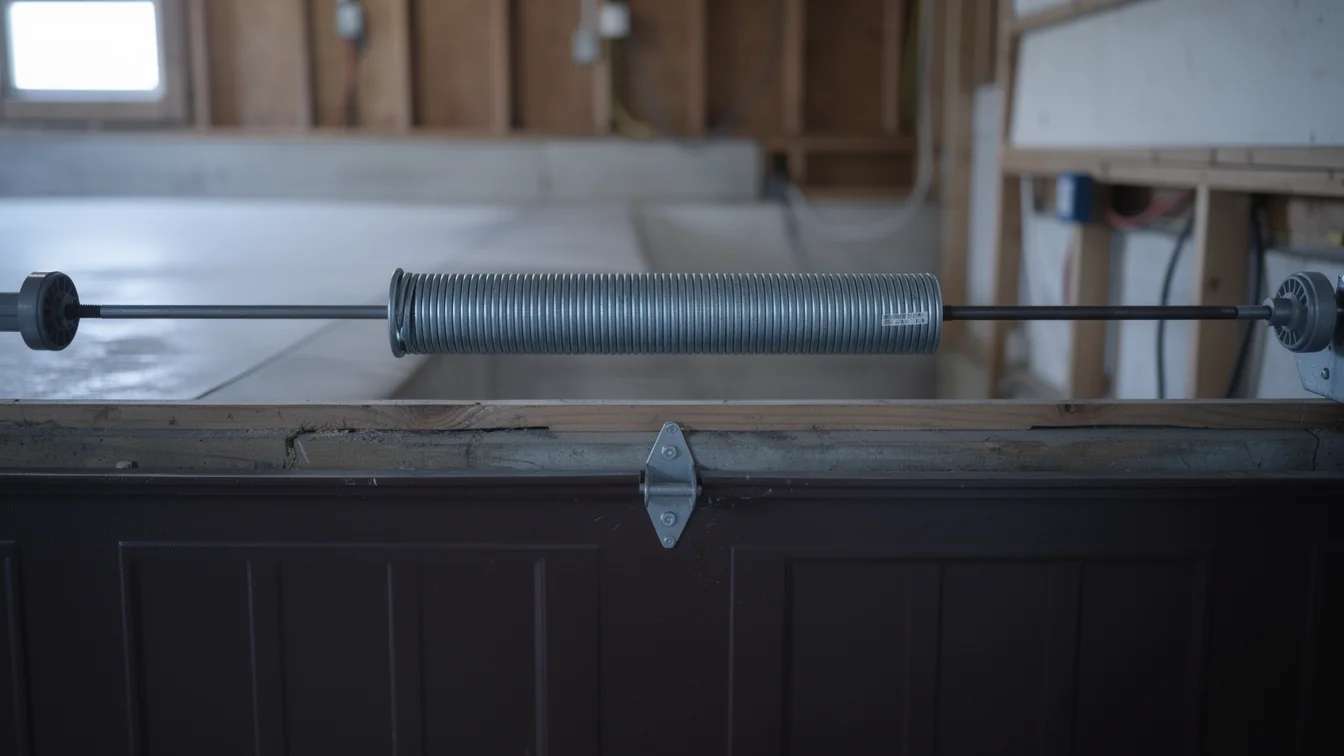
The common mistake is spending money on the wrong end of the problem. A homeowner hears a grinding noise and buys a new opener, when the actual issue is a torsion spring that's lost half its tension from age and cycle count. Replacing the motor doesn't fix a spring that can no longer lift the door's weight correctly - it just means a stronger motor straining against a weak spring, which wears the opener out faster too. Age-matched hardware fails in a specific order, and skipping straight to the opener skips the part that actually matters first.
The area
The Situation
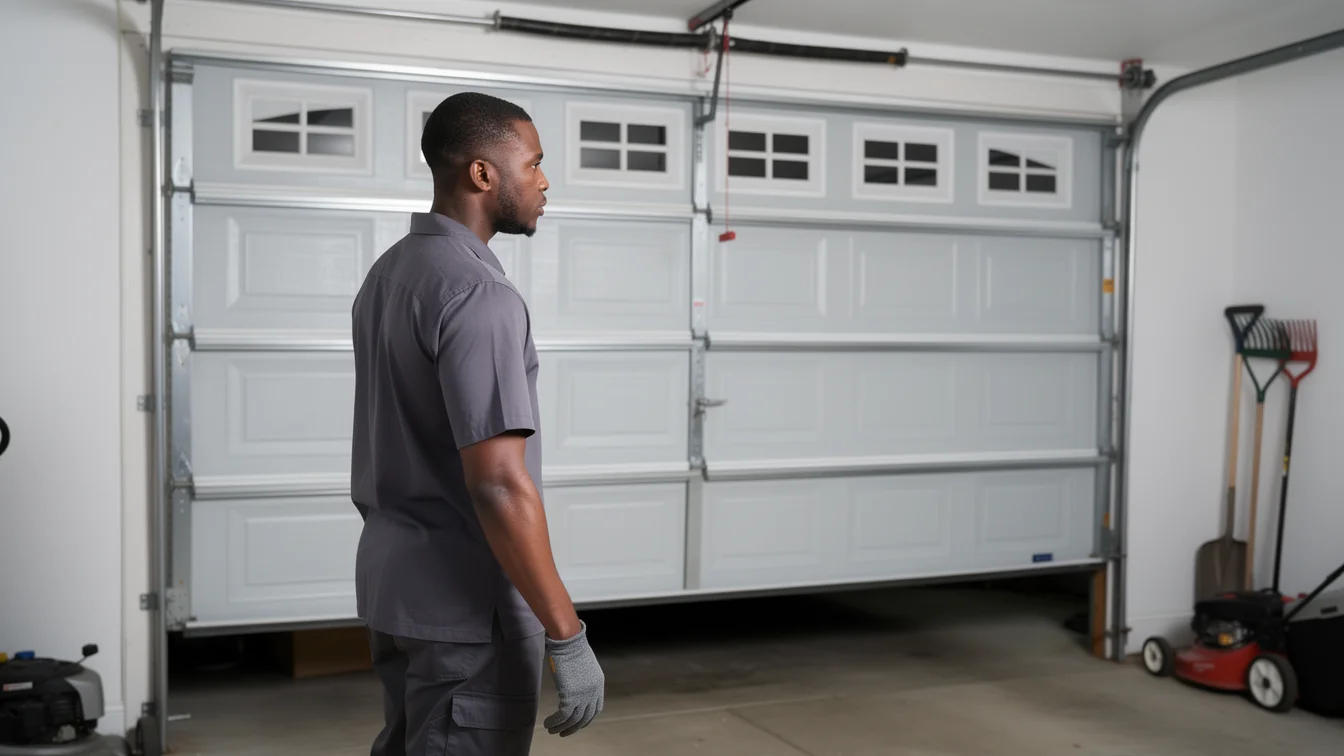
Across the 21 named communities in this service area - from Cheval four miles out to places like Zephyrhills South and Port Richey closer to 17 and 19 miles - the housing stock clusters heavily in that 1980s and 90s construction wave. That's not a minor detail. It means a large block of doors were installed under building standards and hardware specs that have since changed twice over, and a lot of original torsion springs, worn galvanized cable, and single-wall steel panels are still in service today.
The service area counts 76,628 households, with 37,565 of those owner-occupied houses. That split matters because owner-occupants are the ones who inherit the original garage door setup and tend to keep it running as long as it physically holds, rather than swapping it out at move-in. Median household income here runs $67,447, which puts most repair decisions in the range of fix-it-now rather than replace-it-now - a factor that shapes which jobs we see more of.
What we find
Leaving It Alone
A spring that's past its rated cycle count doesn't usually announce itself with a bang. It loses tension gradually, so the door gets heavier to lift by hand, the opener strains a little more each week, and the cables start taking stress they weren't built to carry alone. Ignore that slow creep long enough and you get a snapped cable or a spring failure at the worst moment - door stuck half open, car trapped inside, or worse, someone standing underneath when it lets go.
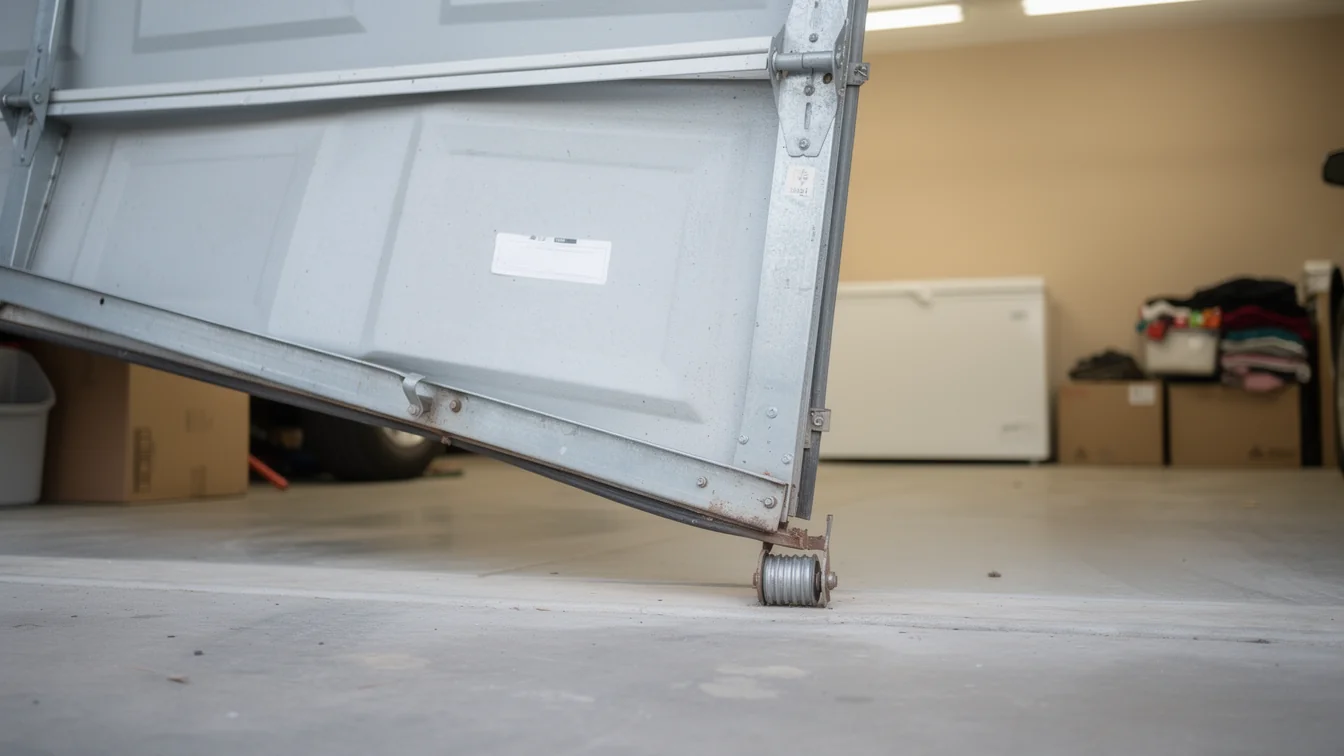
Here's the honest limitation: not every old door is worth saving. If the panels are original steel from that 1980s-90s build wave and they're dented, rusted at the bottom rail, or the track is bent from one too many backed-into incidents, patching the spring and calling it done is a short-term fix on a door that's going to need full replacement within a year or two anyway. We'll tell you when that's the math, even if it means a bigger job than the one you called about.
How we work
What Local Conditions Do
This part of Florida sits in a mild temperate band, so the wear here isn't about hard freezes cracking metal or snow load stressing a track. It's slower than that. Steady humidity cycling over thirty-plus years is what gets original hardware in houses from the 1975-2011 build range - galvanized coatings pit, lubricant on rollers and hinges gums up or washes thin, and springs that were never resurfaced lose temper faster than they would in a drier climate.
That's a different failure pattern than what you'd plan for in a colder region, and it means maintenance intervals that work elsewhere don't map cleanly onto a door that's spent three decades in this kind of air. Panels on original steel doors from the 1980s-90s wave also show rust-through at the bottom first, right where moisture sits longest, well before the rest of the door shows its age.
Talk to a local pro
Garage door trouble in Lutz?
Same-day service with honest, upfront quotes.