Local detail
Where People Go Wrong
Most of the advice floating around online assumes a door built in the last five years or one from the 1950s with knob-and-tube wiring and an original torsion spring nobody services anymore. Neither applies here. Housing in this part of Lutz went up mostly between 1975 and 2011, with the median build year sitting around 1988, and the bulk of it clustered in the 1980s and 90s stock spread across the 21 named subdivisions and areas that make up this service area - places like Cheval four miles out, Tampa Palms a few minutes southeast, and West Meadows just east. A homeowner in a 1988-built house on a street near Carrollwood Village Phase II doesn't have the same door, same hardware gauge, or same failure pattern as someone in a newer build near Pebble Creek. Treating every door the same way - lubricate once a year, call it done - misses that a lot of these doors are now 30-45 years into a hardware lifespan nobody designed to last that long. The fix isn't more generic maintenance. It's knowing which era your door comes from and what that era's builders actually installed.
The area
The Situation
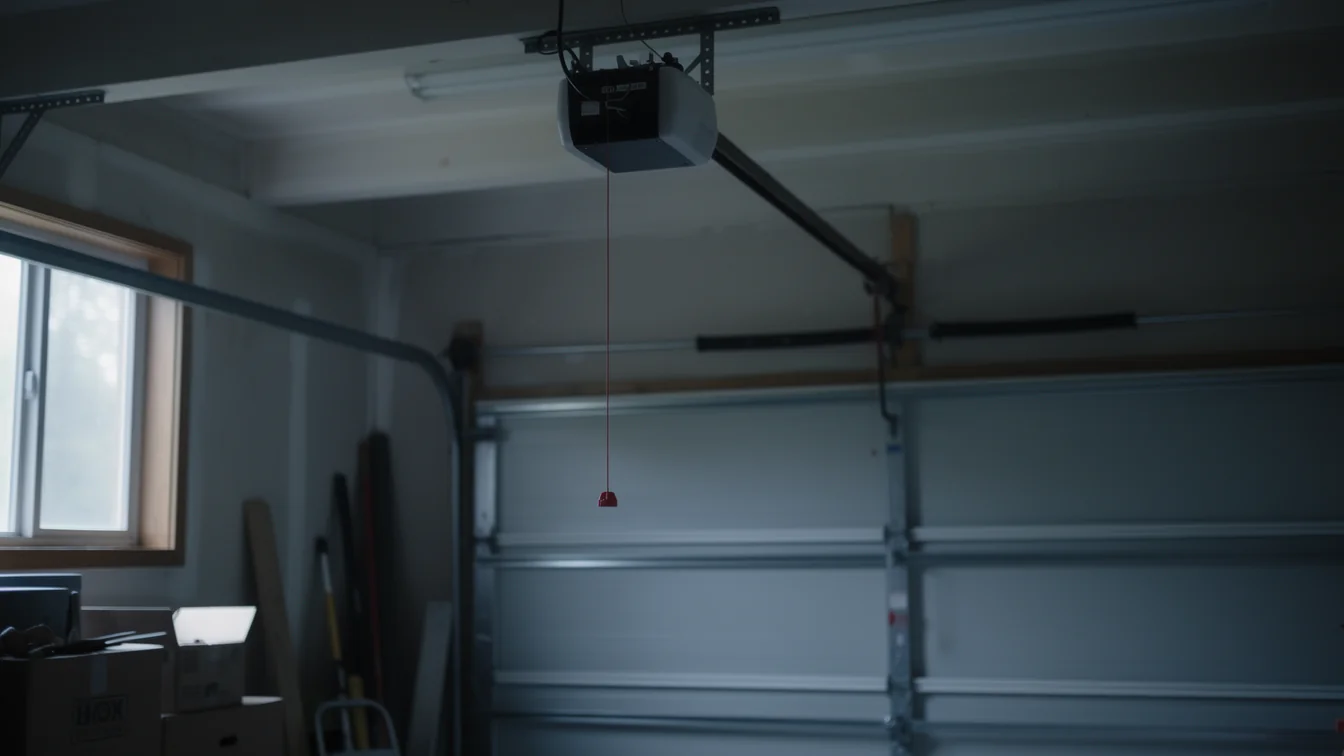
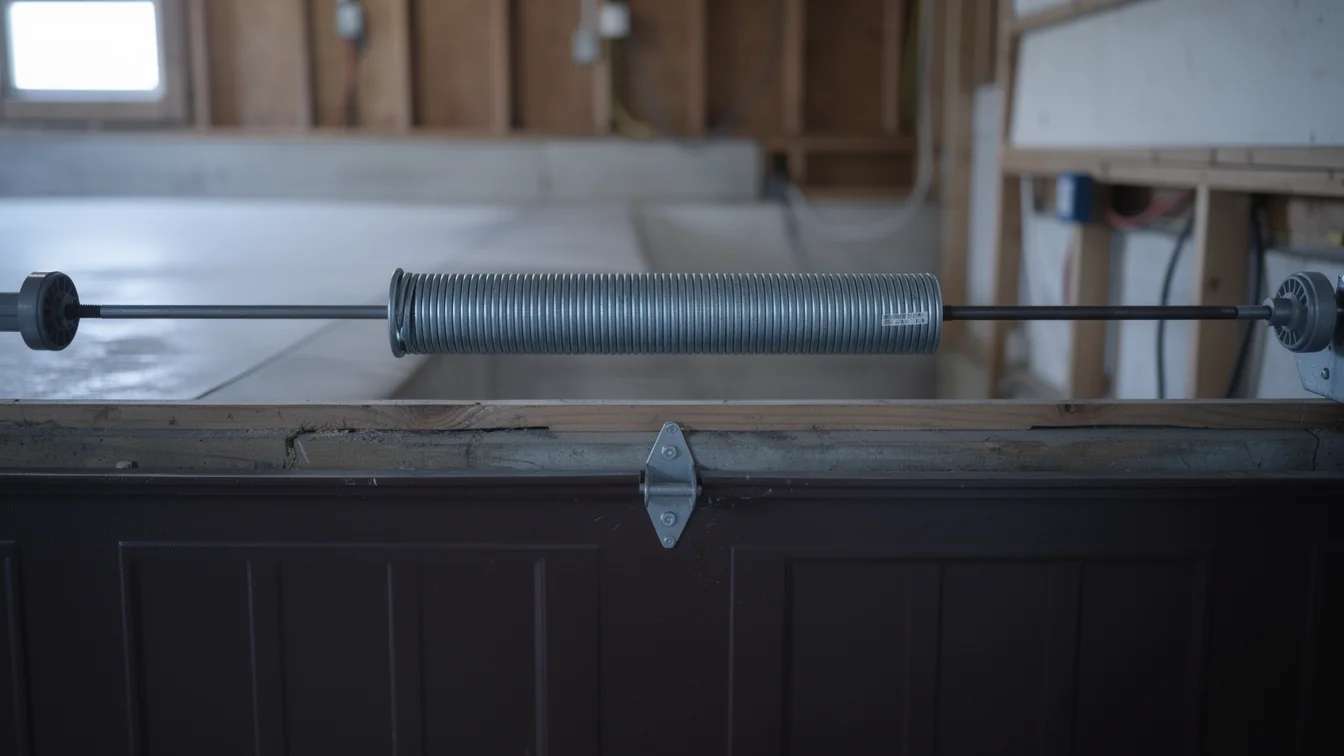
With 37,565 owner-occupied houses out of 76,628 households across this service area, and a median household income of $67,447, a big share of the garage doors out here are original or near-original to houses built in that 1975-2011 window. That means steel panel doors on extension or torsion springs sized for the lighter-weight construction standards of the late 80s and early 90s, often with rollers and hinges that were never upgraded after the first owner moved in. The climate band here is mild temperate - no deep freeze cycles, no snow load to worry about - so the failure mode isn't metal cracking from cold. It's slower: galvanized coatings thinning after three decades of Florida humidity, nylon rollers going brittle from UV exposure on west-facing doors, and torsion springs that have simply cycled past their rated life. None of that shows up as a sudden break most of the time. It shows up as a door that's gotten noisier, heavier to lift by hand, or slower to respond when the opener kicks on.
What we find
Leaving It Alone
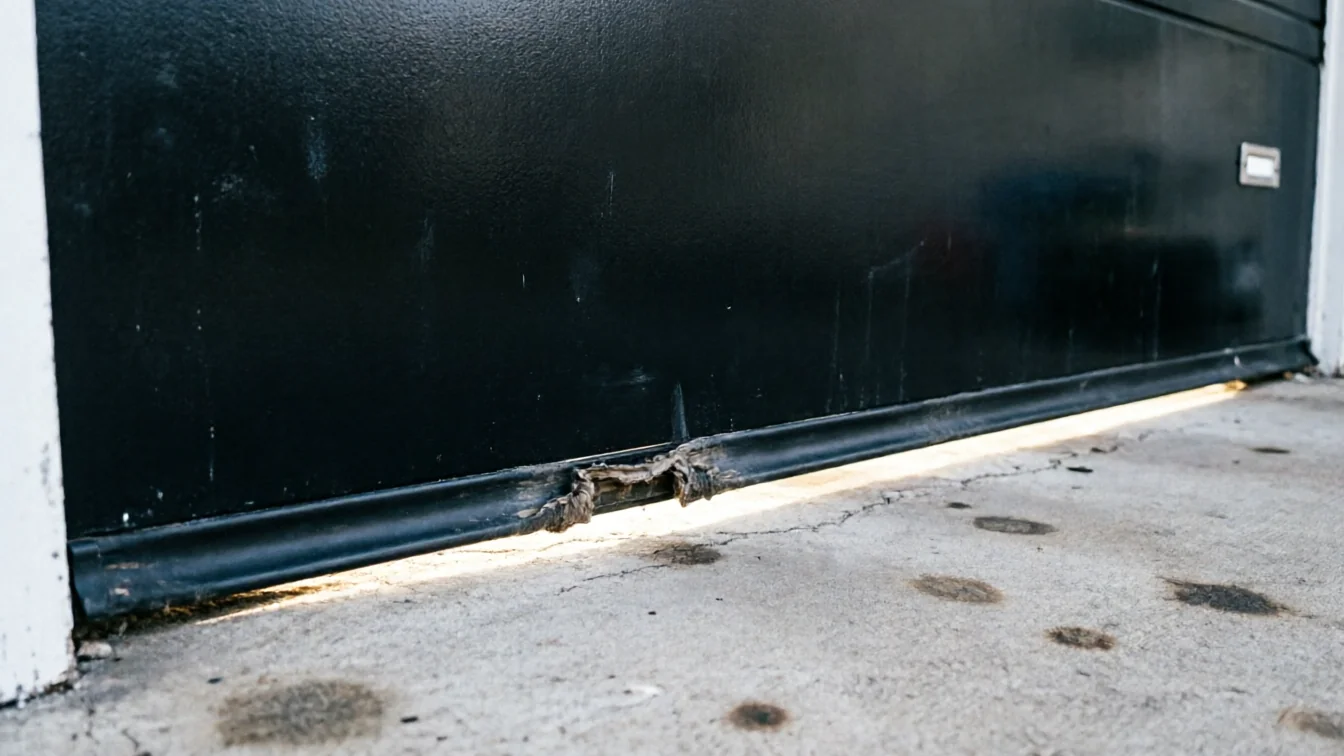
A door that's been quietly aging since the Reagan or Clinton administration doesn't usually fail dramatically - it fails gradually, and that gradual failure is exactly what gets ignored. A spring losing tension puts more load on the opener's gears and drive mechanism, which shortens the life of a part that's more expensive to replace than the spring itself. Worn rollers running in tracks that have collected 30 years of dust and pollen start binding, and a binding door strains the opener every single cycle. Here's the honest part: not every door from this era is worth saving. If the track is bent from the stress of a struggling spring, or the panels have delaminated from sitting in Florida humidity for three decades, replacement costs less over time than chasing repairs on a door that's already past its working life. We won't tell you to keep fixing something that's done. We will tell you when it's not there yet.
How we work
What Local Conditions Do
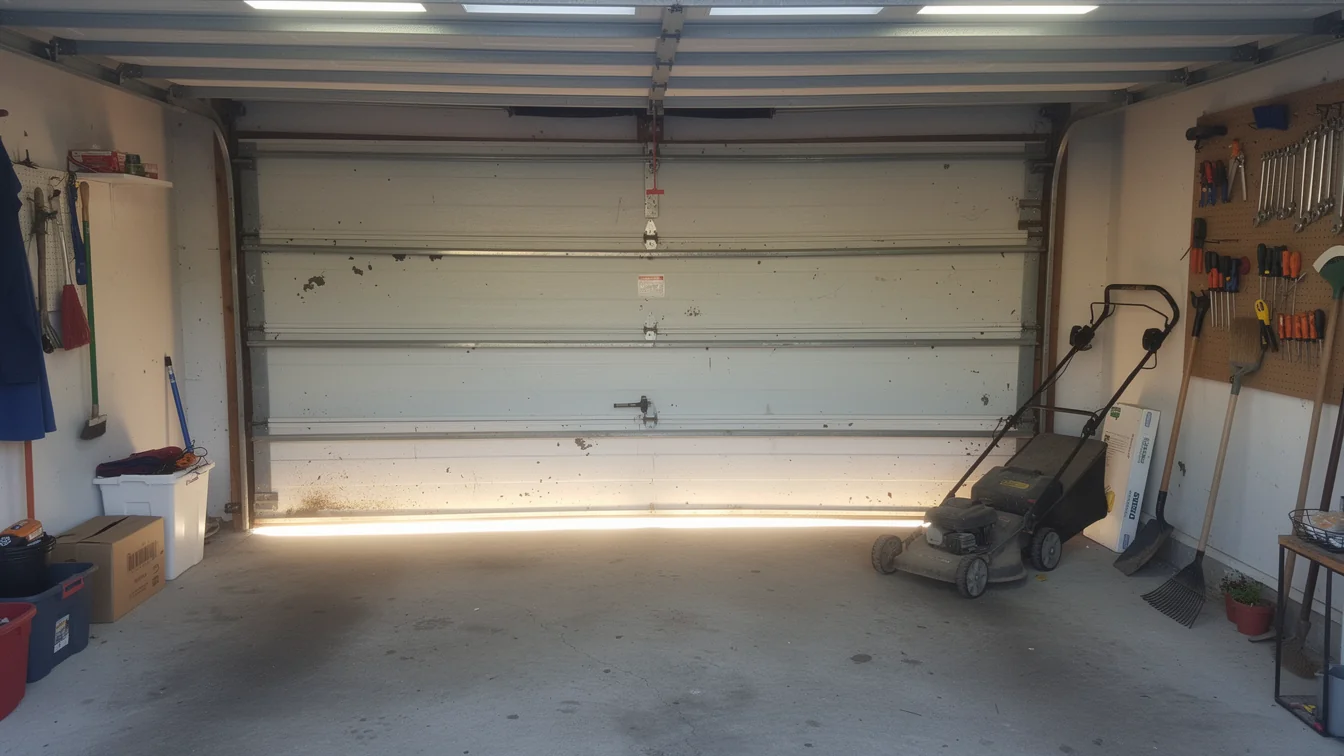
The mild temperate climate here is kinder to garage door hardware than a lot of the country gets, and that's worth saying plainly - there's no freeze-thaw cycle cracking concrete slabs or seizing springs overnight. But mild doesn't mean nothing happens. Year-round humidity works on galvanized spring coatings slowly, and UV exposure breaks down nylon and plastic rollers faster than cold climates do, especially on doors facing west or south with no overhang. Combine that with a housing stock concentrated in the 1980s and 90s - the specific decades named in the data for this area - and you get a predictable pattern: doors that look fine from the driveway but are running on hardware that's quietly past its rated cycles. That's the piece that gets missed when someone applies a one-size maintenance schedule instead of looking at what decade the door and its hardware actually came from.
Talk to a local pro
Garage door trouble in Lutz?
Same-day service with honest, upfront quotes.