Local detail
Where People Go Wrong
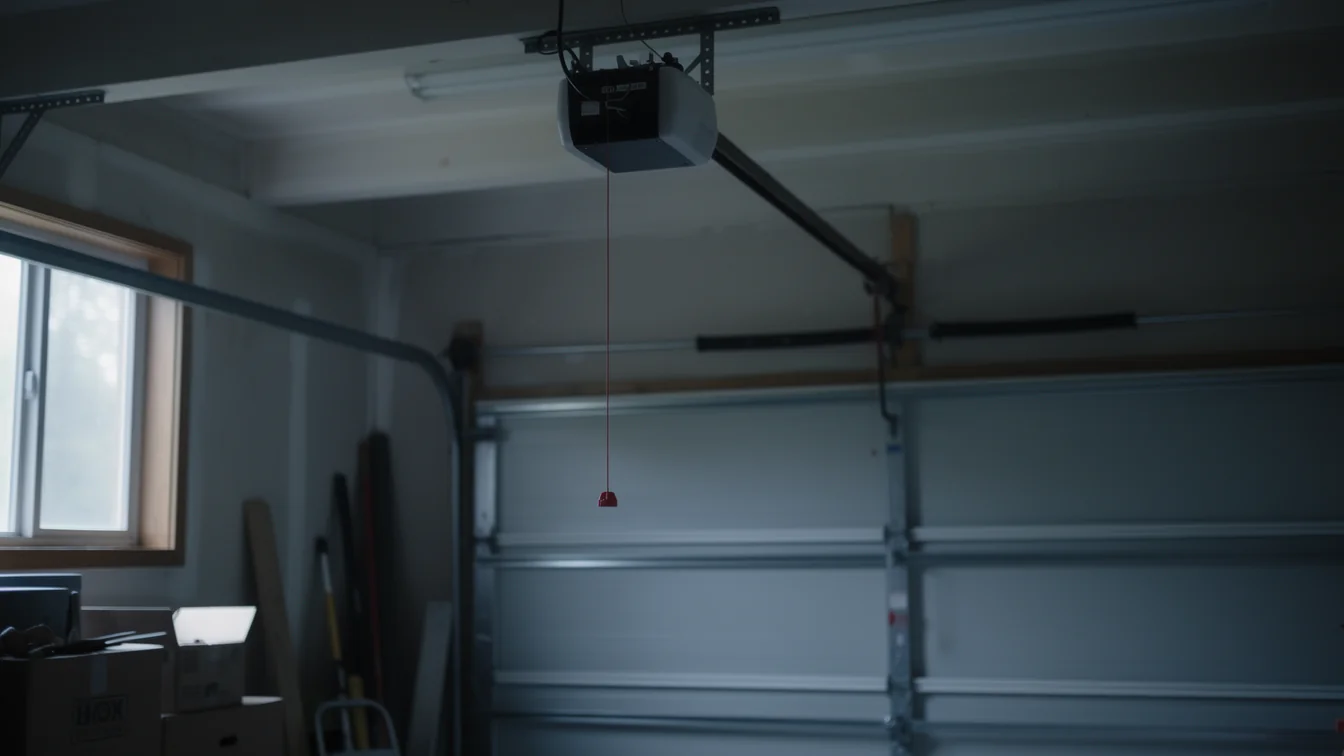
The mistake we see most in Lutz is treating the opener like it's one appliance, when really it's tied to the build era of the house. A big share of homes in this service area went up between 1975 and 2011, with the typical build year sitting around 1988. That means a lot of garages still have openers that were installed, or replaced, during the 1980s and 90s wave of construction that covers most of the 21 named areas we work in - Cheval, Pebble Creek, West Meadows, Carrollwood Village Phase II, and the rest. People assume their opener is new because the house doesn't feel old. But the motor unit itself is often the original, or a straight swap of the original, and those units don't behave the same way during a power cut as anything made in the last ten years. Battery backup wasn't standard equipment back then. If the power drops and the door is down, a lot of homeowners don't even know there's a manual release cord, let alone where it is or how hard to pull it. That's the gap - not bad luck, just a mismatch between the age of the hardware and what people expect modern equipment to do automatically.
The area
The Situation
With 76,628 households in this service area and 37,565 of them owner-occupied, you've got a huge number of garages sitting on opener hardware that predates battery backup as a default feature. The median household income here is $67,447, which is enough to replace an opener without much deliberation, yet most people don't think about it until the power actually goes out and the car's stuck inside. The climate band here is mild temperate, so we're not dealing with hard freezes that crack housings or extreme cold that thickens grease and stalls a motor. The strain on these openers isn't weather extremes - it's age and duty cycle. A chain-drive unit from the 80s or 90s that's been opening and closing a door twice a day for three decades is simply closer to the end of its working life than a unit installed five years ago, regardless of what the power grid is doing.
What we find
Leaving It Alone
If your opener is from that original 1980s-90s wave and you haven't touched it, leaving it alone through a power cut isn't dangerous, but it's inconvenient in a specific way: you won't have remote or wall-button control until the power's back, and if nobody in the house knows how to trip the manual release, the car stays put. We've been into enough garages across this area to know the release cord gets painted over, zip-tied out of the way, or buried behind storage bins. That's a problem you can fix in five minutes without calling anyone. What you can't fix by ignoring it is a motor that's already struggling - grinding, hesitating, or running warm. That's not a power issue, that's a motor nearing the end of its life, and no backup battery changes that timeline.
How we work
What Local Conditions Do
Mild temperate conditions mean the opener itself isn't fighting ice or extreme heat swings most of the year, which is actually good news - it means when one of these older units fails, it's almost always wear, not weather damage. Given how much of the housing stock across Lutz, Cheval, Pebble Creek, and the other nearby areas falls into that 1980s-90s window, replacement parts for the oldest units are getting harder to source, and in some cases a full opener swap makes more sense than chasing parts for a motor that's thirty-plus years old. We'll say plainly: we don't recommend patching an opener from that era just to add battery backup onto an otherwise tired motor. If the unit's old enough that finding the part number takes a phone call to a supplier, it's usually time to replace, not retrofit.
Talk to a local pro
Garage door trouble in Lutz?
Same-day service with honest, upfront quotes.