Local detail
Where People Go Wrong
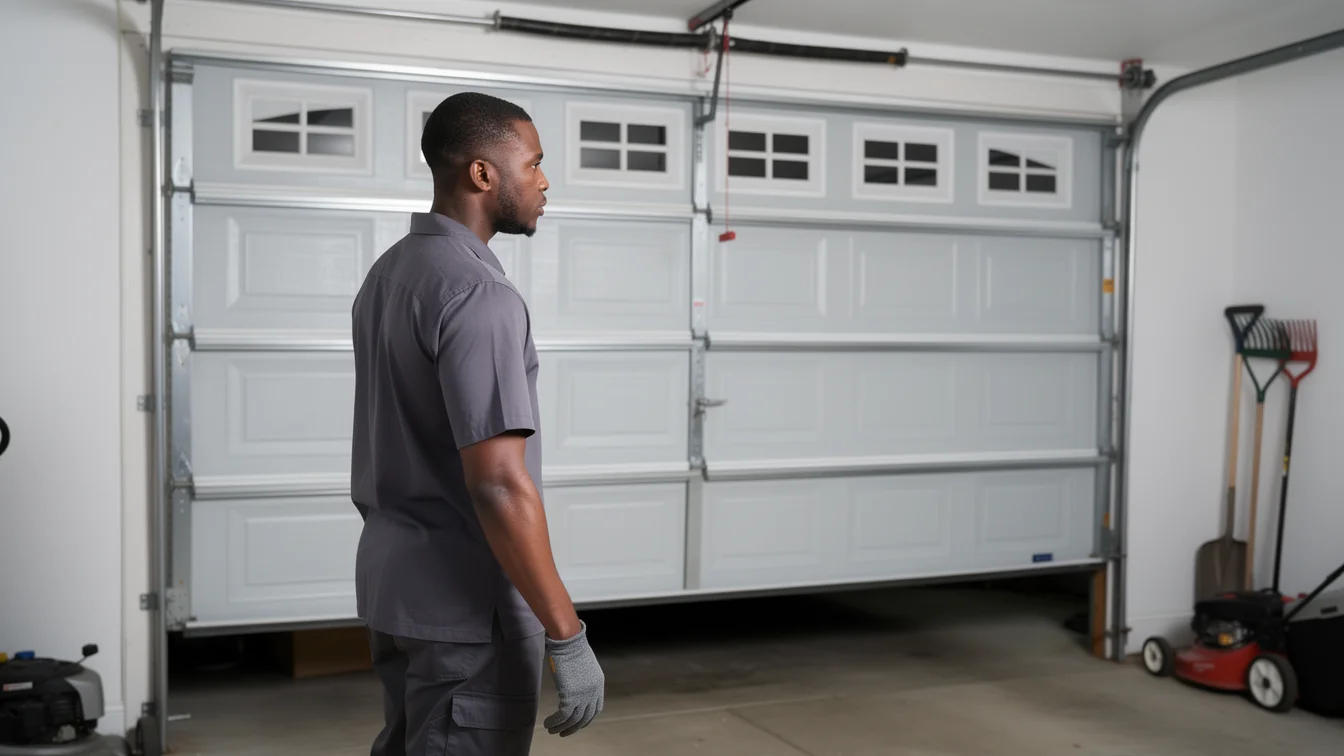
Most calls we get start with a symptom, not a cause. The door's loud, or it stutters halfway up, or the opener clicks but nothing moves. Homeowners usually want that one thing fixed and nothing else touched. The problem is that a door is a system - springs, cables, rollers, track, opener, and the hardware holding it all to the frame - and on a house built in the 1980s or 90s, which describes most of the stock around Lutz and the surrounding areas like Cheval, Pebble Creek, and Tampa Palms, that hardware has had thirty-plus years to work loose, rust at fasteners, or just wear out of spec. Tightening one bracket and ignoring the spring tension next to it is how a $150 call turns into a $400 call six months later. A real service visit checks the whole path the door travels, not just the part that's making noise. That means inspecting both springs for wind and wear, checking cable condition at the drum, running the door through a full cycle to watch roller and track alignment, and testing the opener's force and limit settings - not just plugging it in and hitting the button. Skipping any of those steps on a door this age is skipping the part most likely to fail next.
The area
The Situation
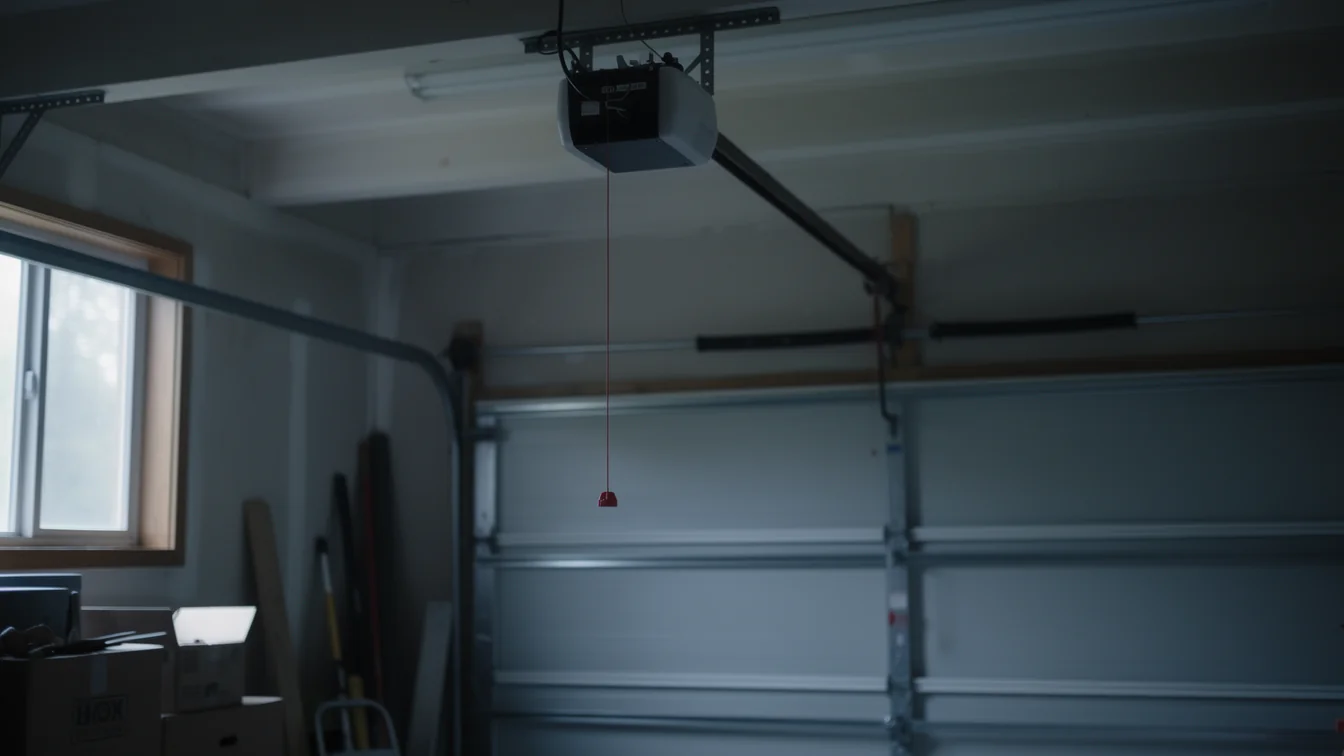
Housing in this part of the county went up mostly between 1975 and 2011, with the bulk clustered in the 1980s and 90s across the 21 named communities nearby - Cheval, Pebble Creek, Odessa, Thonotosassa, and the rest. That matters for one specific reason: garage door hardware from that era was built to a different tolerance than what's sold today, and a lot of it is still the original installation. Torsion springs rated for a 1988-built door don't match what's stocked on a truck in 2024 without a lookup. Openers from the 90s often predate rolling-code security and auto-reverse sensors that are now standard. A service call on a house this age isn't a generic tune-up - it's often matching parts to a system that's two or three product generations behind what's currently manufactured. That's a different job than servicing a five-year-old door, and it takes longer to do right.
What we find
Leaving It Alone
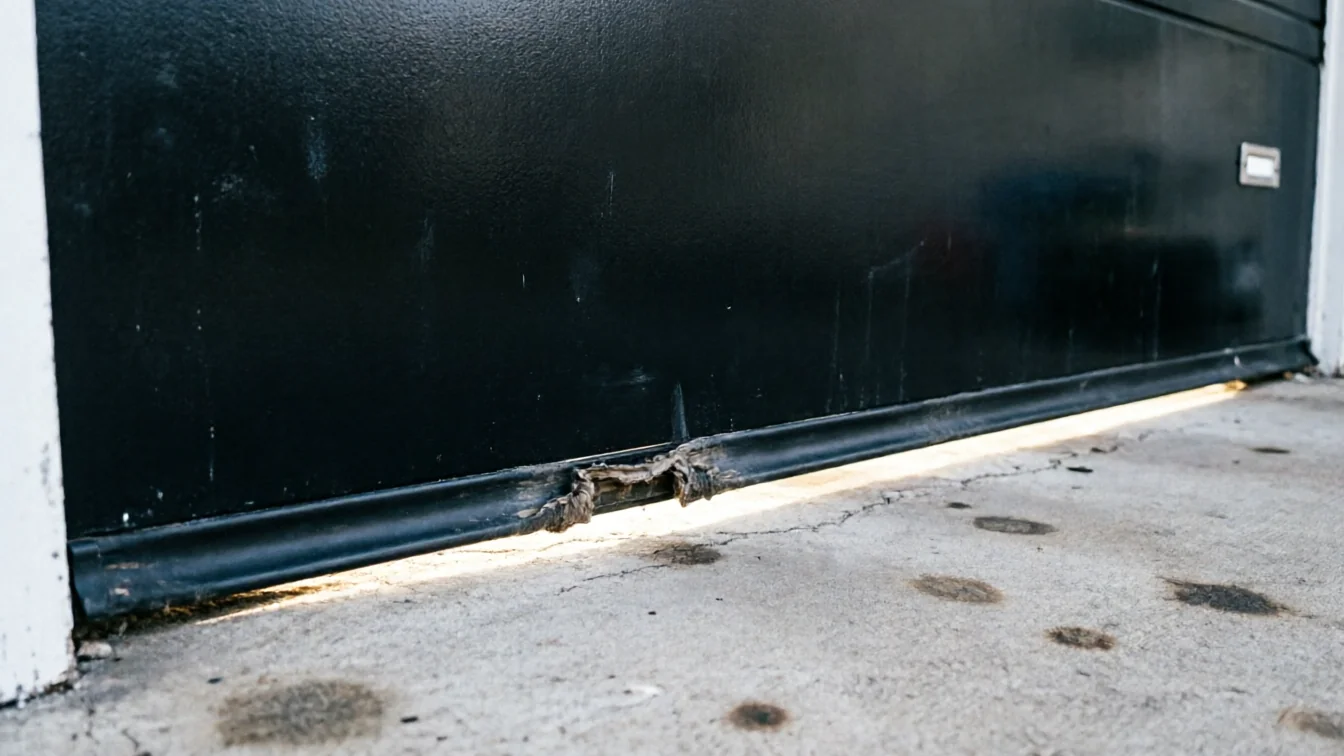
The mild temperate climate here doesn't put the stress on doors that cold-climate ice or high-wind coastal exposure does, so a lot of these systems run for years past when they should've been serviced, simply because nothing dramatic forces the issue. No frozen track, no storm damage, just slow wear that shows up as a slightly louder close, a slightly slower cycle. That quiet decline is exactly what lets a frayed cable or a spring near the end of its life go unnoticed until it fails under load - usually while someone's standing underneath or has a hand near the track. Waiting rarely ends with 'just in time.'
How we work
What Local Conditions Do
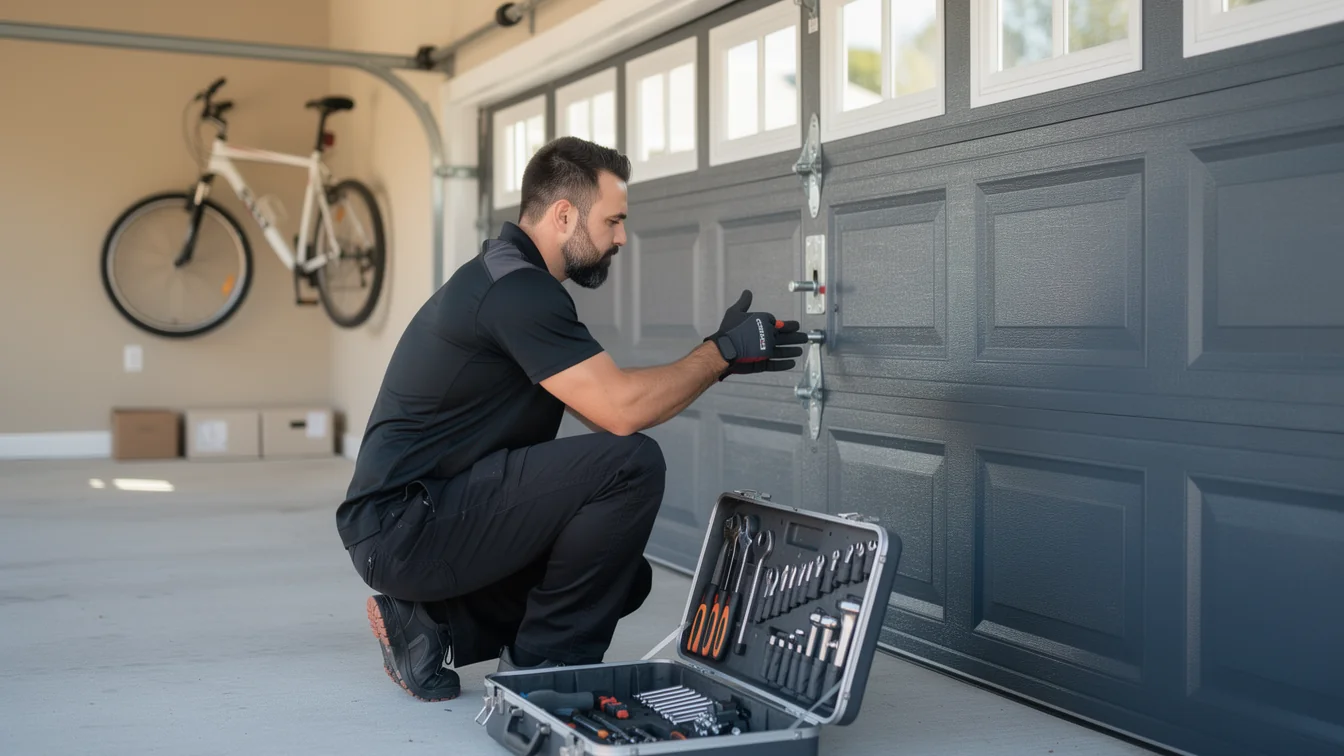
Without hard freezes or heavy snow load, the mechanical parts here mostly fail from age and humidity-driven rust rather than sudden weather stress. Fasteners corrode slowly, lubricant dries out, and rollers wear down evenly instead of cracking outright. On a door installed any time between 1975 and the early 2000s, that steady wear is usually further along than the owner thinks, because there's no single bad storm to point to as the moment things changed. A proper call accounts for that: checking spring wind count against the door's actual weight, not just whatever balance the door happens to hold today, and inspecting cable strands under load rather than at rest. One honest limitation: if the opener or spring set is old enough that matching parts aren't stocked anywhere nearby, a repair can take longer to schedule than the diagnosis does - and at some point replacing the whole operator costs less than chasing parts for one built in 1990.
Talk to a local pro
Garage door trouble in Lutz?
Same-day service with honest, upfront quotes.