
Safety Harbor, Lutz
Garage Door Repair for Safety Harbor's 1980s Housing Stock
Safety Harbor's 1984-era homes carry hardware most shops don't stock anymore. Lutz Garage Door Pros drives the 18 miles with the right parts for this build year.
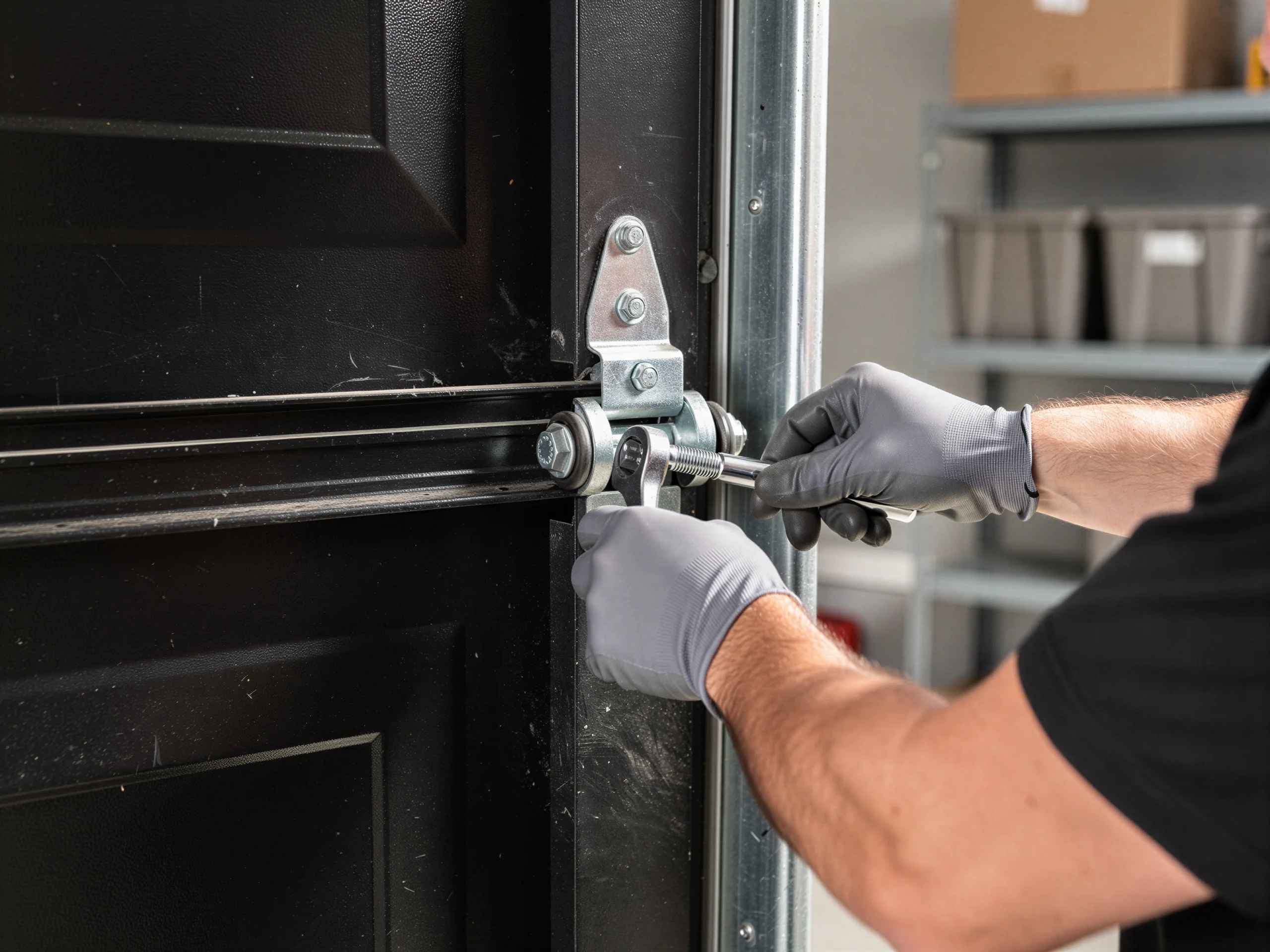
Doing It Yourself
If your door in Safety Harbor is sticking, slamming, or won't close all the way, some of it you can check yourself before calling anyone.
Track dents and gaps
Look at the track for dents or gaps where the rollers ride. Check that the photo-eye sensors near the bottom of the track aren't knocked out of alignment - a common cause of a door that reverses for no reason. Spray the hinges and rollers with a garage-door-rated lubricant, not WD-40, which washes off too fast.
Spring tension tools needed
What you should not do yourself: touch the torsion spring above the door, or the cable running to it. Homes built around 1984, which covers most of Safety Harbor, were fitted with torsion springs under real tension, and the tools to wind or unwind them safely aren't something most homeowners keep in a drawer.
Heavy lift means spring
If the door is heavy to lift by hand with the opener disconnected, that's a spring problem, not an opener problem, and it's not a DIY fix. We'll say this plainly: if the fix is a $20 sensor or a bent bracket, we'd rather you save the service call. If it's the spring, cable, or anything that moves the door under tension, that's where DIY stops making sense.
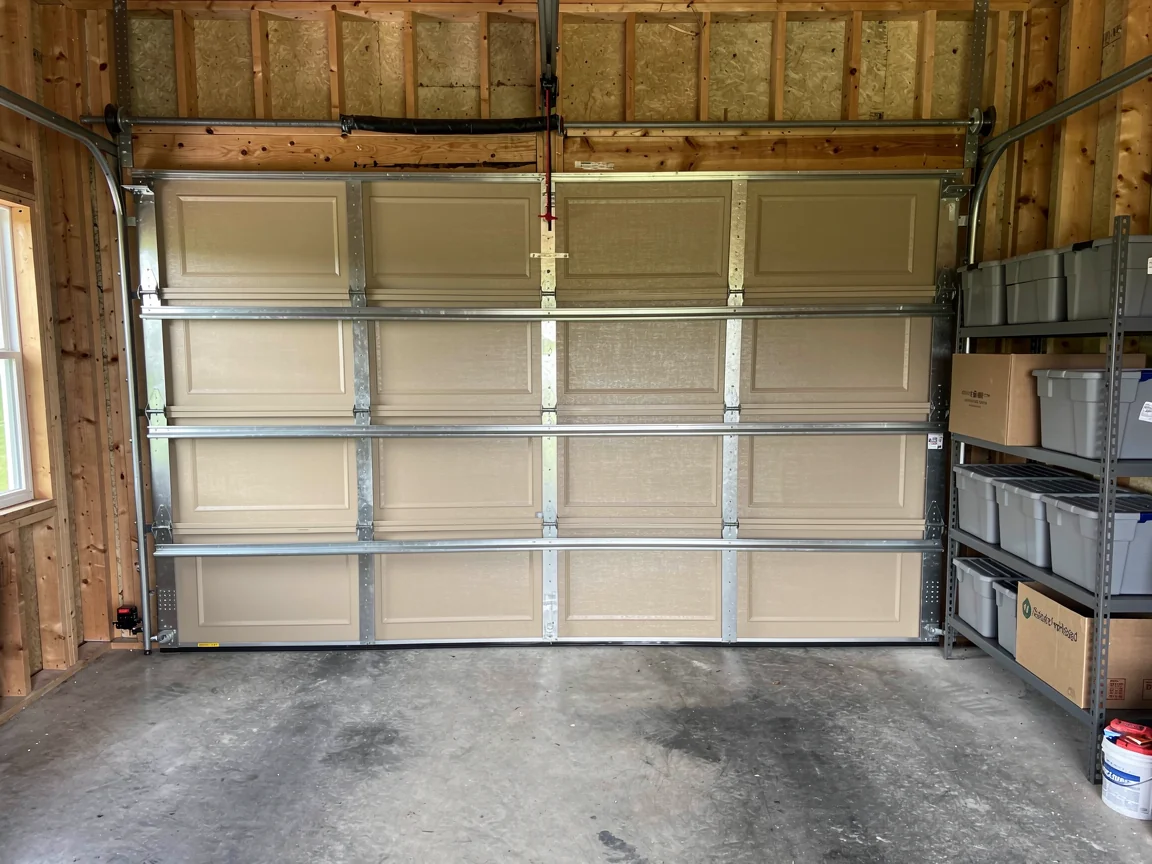
Where This Job Goes Sideways
The mistake we see most with doors from this era is someone replacing a broken spring with whatever size is on the shelf at a box store, instead of matching it to the door's actual weight and wind.
Near-right springs fail
A spring that's close but not right either fails again in months or makes the opener work harder than it should, which burns out the opener motor early.
Noise blamed on openers
The second place it goes sideways: homeowners assume a noisy door means a bad opener, when on a 1980s-built door it's almost always worn rollers or a track that's gone slightly out of parallel over four decades of settling. Replacing the opener fixes nothing if the track's the real problem.
Wrong-gauge panel patches
We've also seen panels patched with the wrong gauge steel because the original panel profile isn't something every supplier carries. On a door this age, matching panels matters more than people expect - a mismatched panel changes how the whole door balances on the springs.
Why It Happens Here
Safety Harbor's homes cluster around a median build year of 1984, which puts most of the neighborhood's garage doors and openers in a specific hardware generation: steel sectional doors on torsion or extension spring systems, often with openers from the chain-drive era before belt drives became common. That's roughly a decade earlier than some of the newer sections elsewhere in our service area, where median build years run closer to 1988.
The climate here is mild temperate, so you're not dealing with the freeze-thaw cycles that crack concrete slabs or warp wood jamb doors in colder states. The failures we see in Safety Harbor are age and wear failures, not weather failures - springs fatigued from thousands of cycles, rollers worn oval, cables starting to fray at the drum. It's the hardware getting old, not the climate beating it up.
Stocked Parts
We carry torsion and extension springs sized for the door weights common in 1980s construction, along with steel rollers, lift cables, and the bracket hardware that tends to wear out on doors from this build era.
Older chain-drive logic boards
Opener parts are more of a mixed bag - if your opener is original to the house, some drive gears and logic boards for older chain-drive units aren't something any shop keeps on a shelf, and we may need to order a part before we can finish the job. We don't stock every discontinued panel style.
Close-match panel or swap
If a single panel on an older door needs replacing and the exact profile isn't made anymore, the honest options are a close-match panel or a full door swap - we'll tell you which makes more sense once we see it, rather than quote a patch job that won't look right.
How It Shows Up
In Safety Harbor, the call usually starts one of three ways: the door won't budge and feels like dead weight when you try to lift it by hand (spring gone), the door jerks and bangs partway through the cycle (roller or cable), or the opener runs but the door doesn't move (worn gear or a slipped chain). On doors from the mid-1980s build wave, we also see a fourth pattern - the door closes fine but reverses itself right before it seats, which is often a sensor alignment issue that's crept in over years of the garage floor settling slightly.
How We Fix It
We come out from our Lutz shop, which is about 18 miles from Safety Harbor, so we bring what we expect to need based on what you describe on the phone rather than showing up and ordering parts after the fact. For a spring job, we match the new spring to the door's actual weight rather than guessing off a size chart. For track and roller wear, we check the whole track run for level and parallel before swapping parts, since a new roller on a bent track just wears out again fast.
With a median household income in Safety Harbor near $105,813 - well above the roughly $67,447 median across our wider service area - we see more homeowners here opt for full hardware upgrades (heavier-gauge springs, insulated panels) rather than patching the minimum. We'll always quote the repair option first and let you decide.
Questions
Common questions
Why does my garage door feel so heavy to lift by hand?
That's almost always a broken or badly weakened torsion spring. The spring is what counter-balances the door's weight; without it, you're lifting the full weight of a steel door yourself. On homes from the 1980s build wave common in Safety Harbor, this is the single most frequent service call we get.
Do you keep a branch in Safety Harbor?
No. We run out of our Lutz shop, about 18 miles away, and drive out for every Safety Harbor call. We don't claim a local depot or a guaranteed response window here - we bring parts based on what you describe over the phone.
My door's panel is cracked - can you match it?
Sometimes. Doors from the 1980s often used panel profiles that aren't made anymore. If we can't source a close match, we'll say so and give you the honest comparison between a visible patch and replacing the full door, rather than force a mismatch.
Explore more
More Services in Safety Harbor
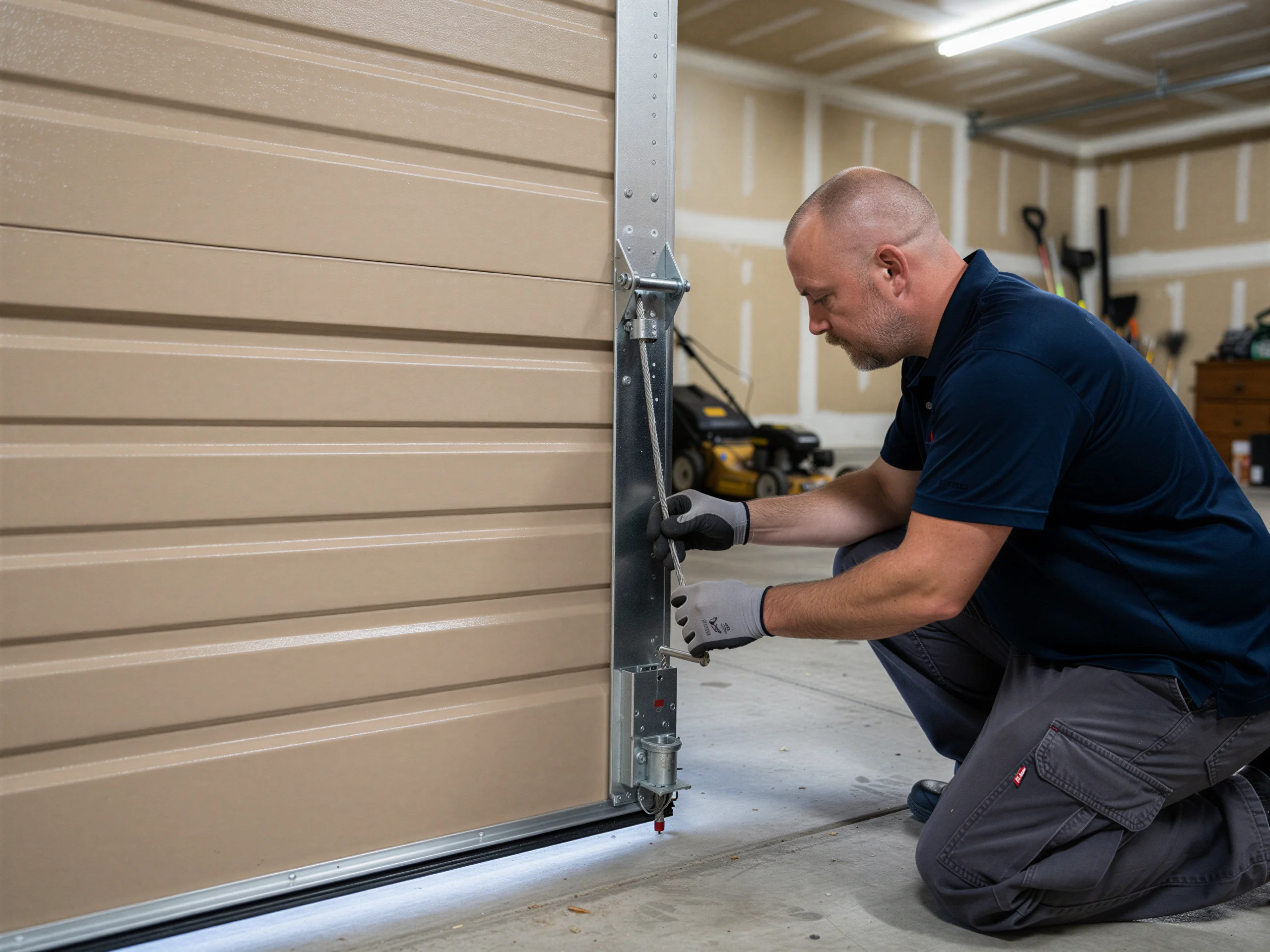
Cable Repair
Frayed or snapped garage door cables in Safety Harbor, where the median house dates to 1984. Learn more →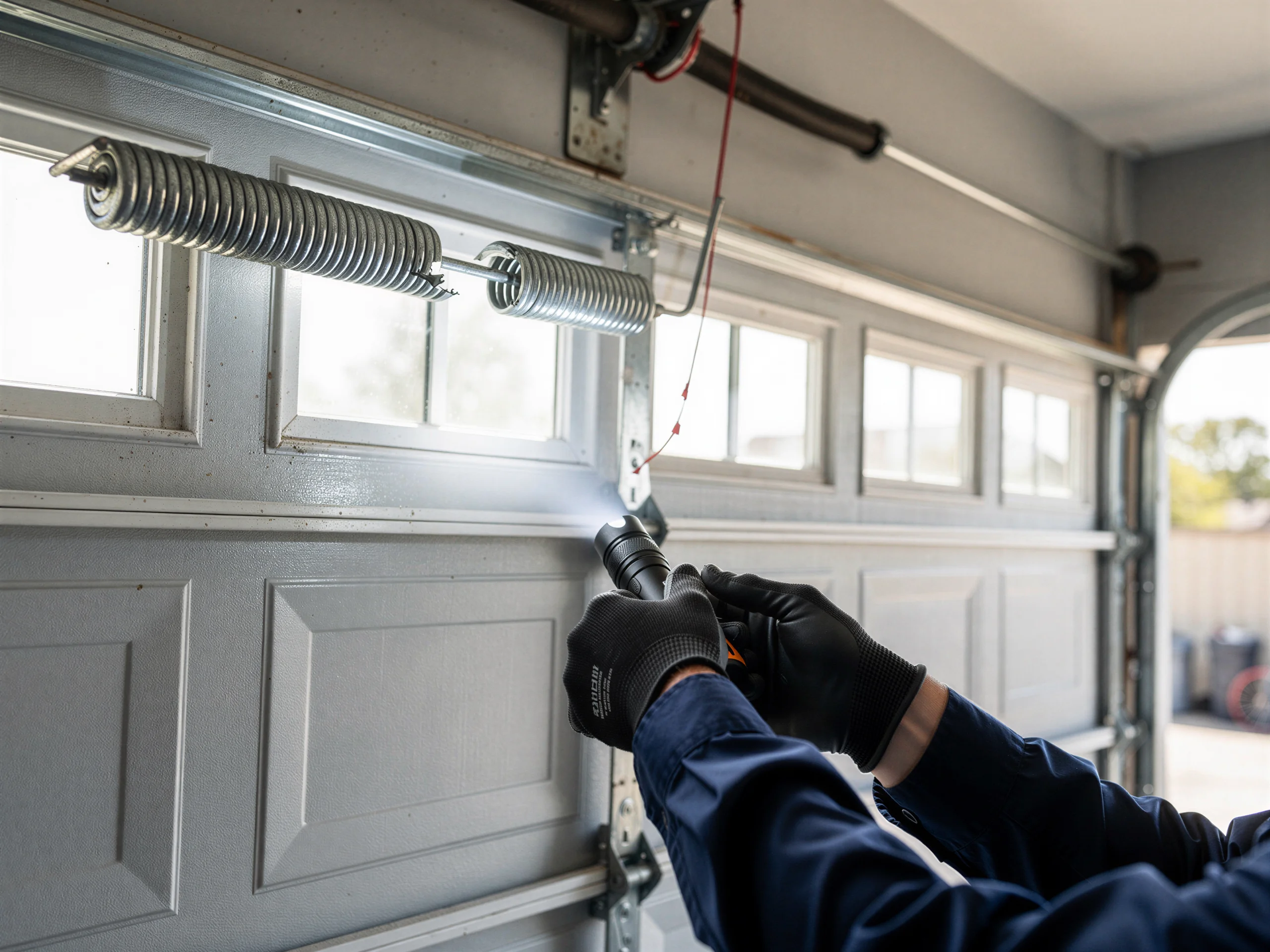
Emergency Garage Door
Safety Harbor homes date to 1984 on average, older than the wider service area. Learn more →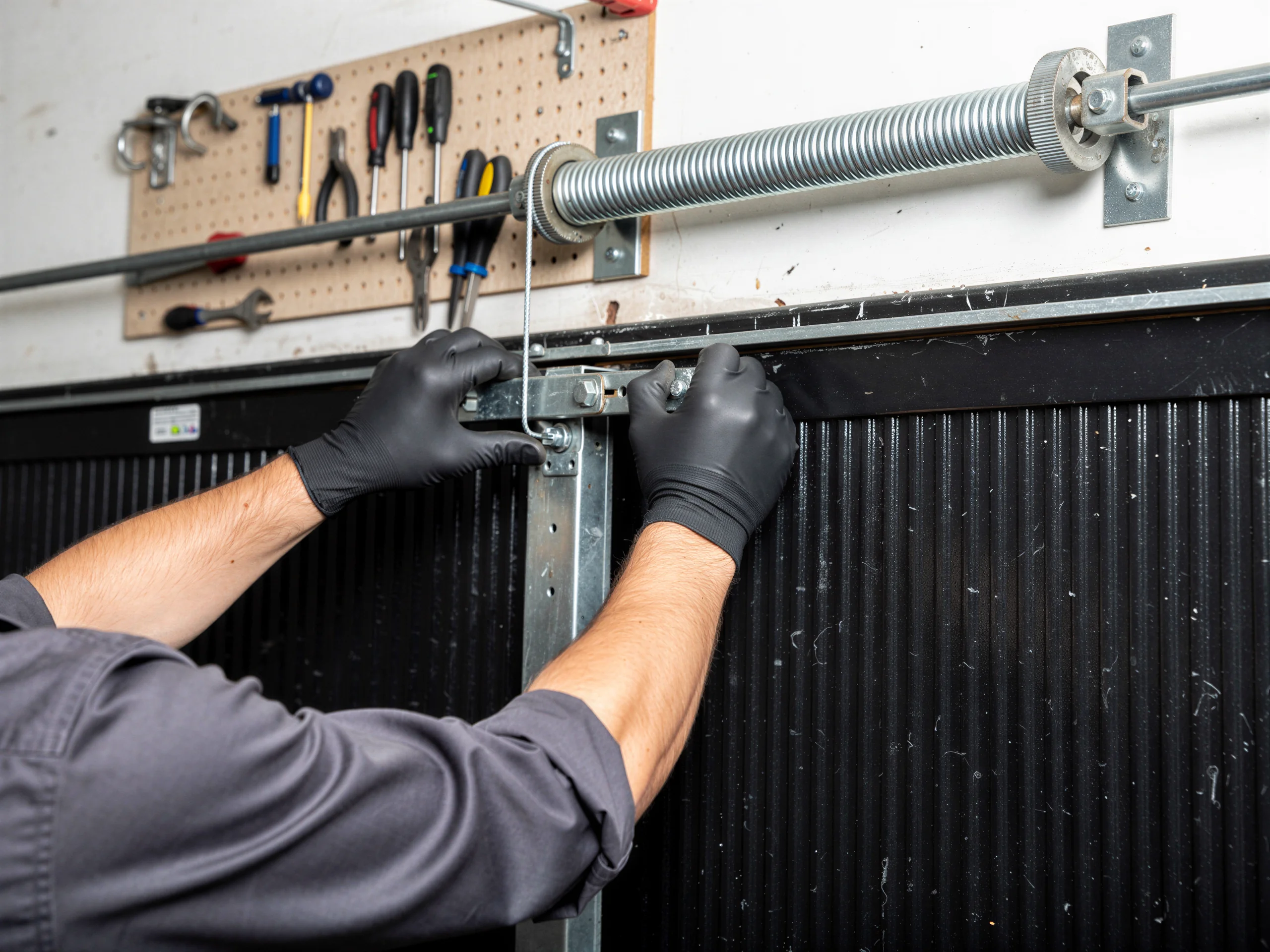
Garage Door Service
Garage door repair and opener service for Safety Harbor homes built around 1984, covered by Lutz Garage Door Pros, eighteen miles from the shop in Lutz. Learn more →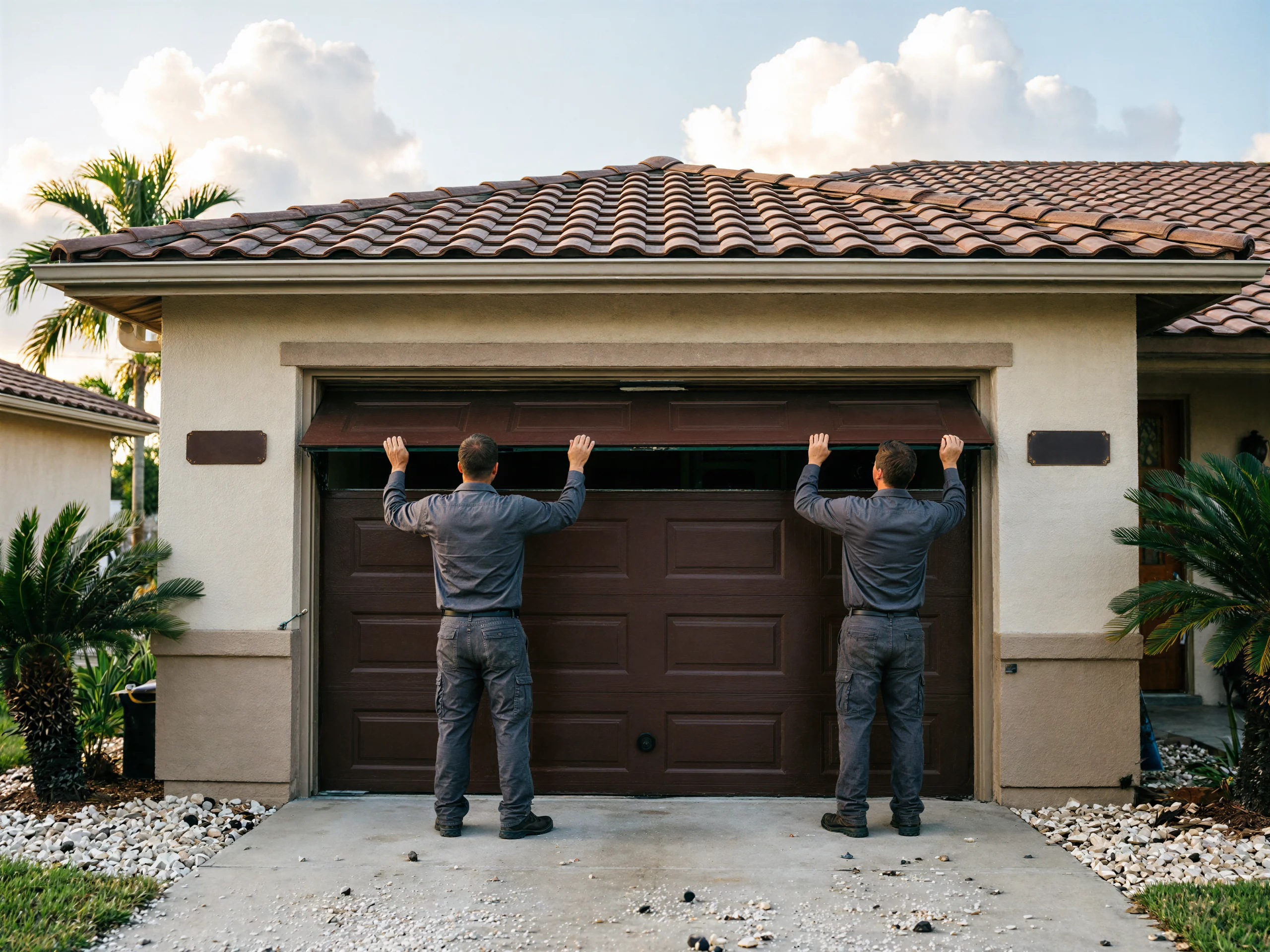
New Door Installation
Safety Harbor homes date mostly to the 1980s, with original door hardware sized for that era. Learn more →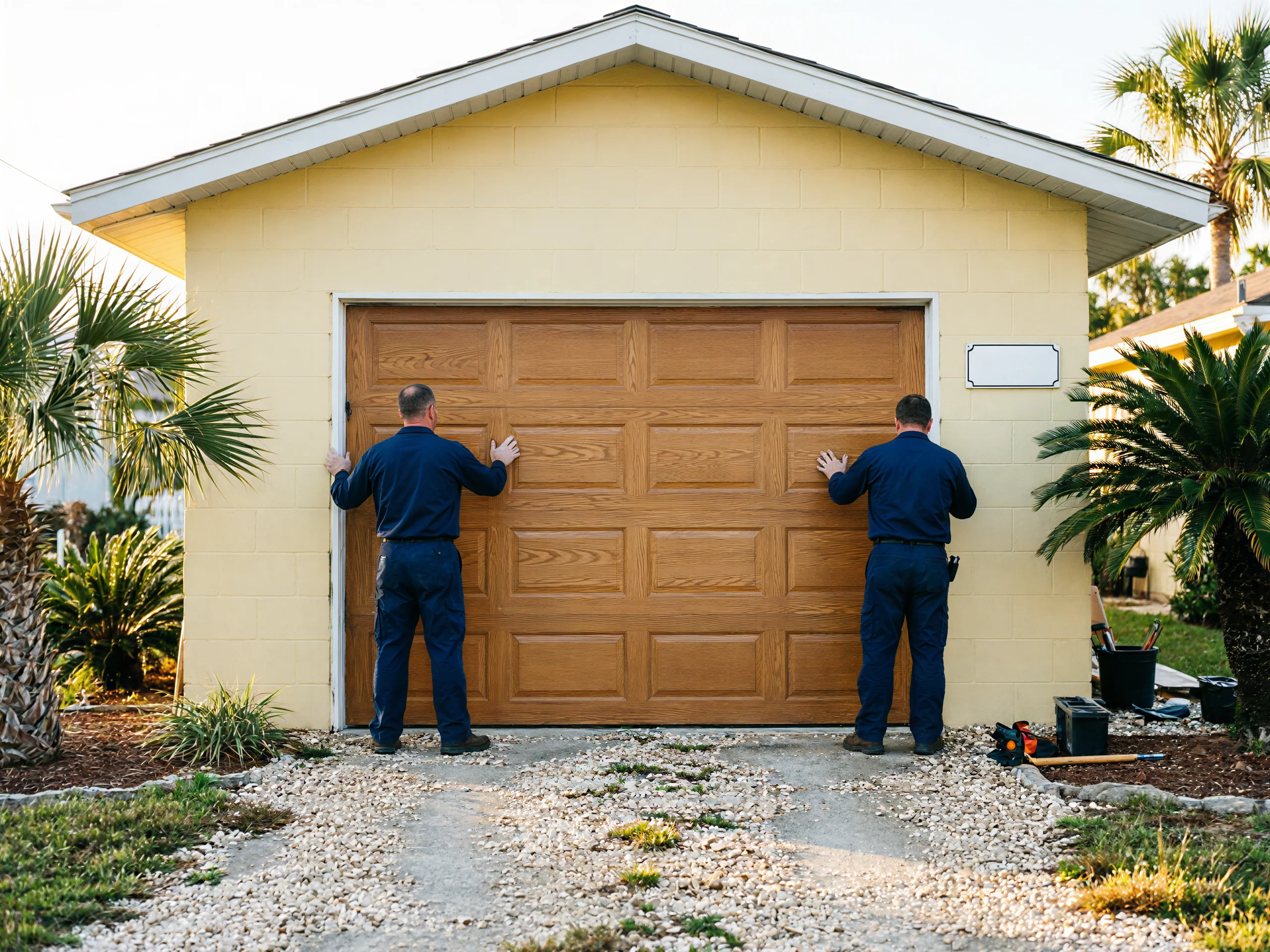
Panel Replacement
Safety Harbor homes mostly date to the mid-1980s, which means steel panel sections and seams that don't match anything off today's shelf. Learn more →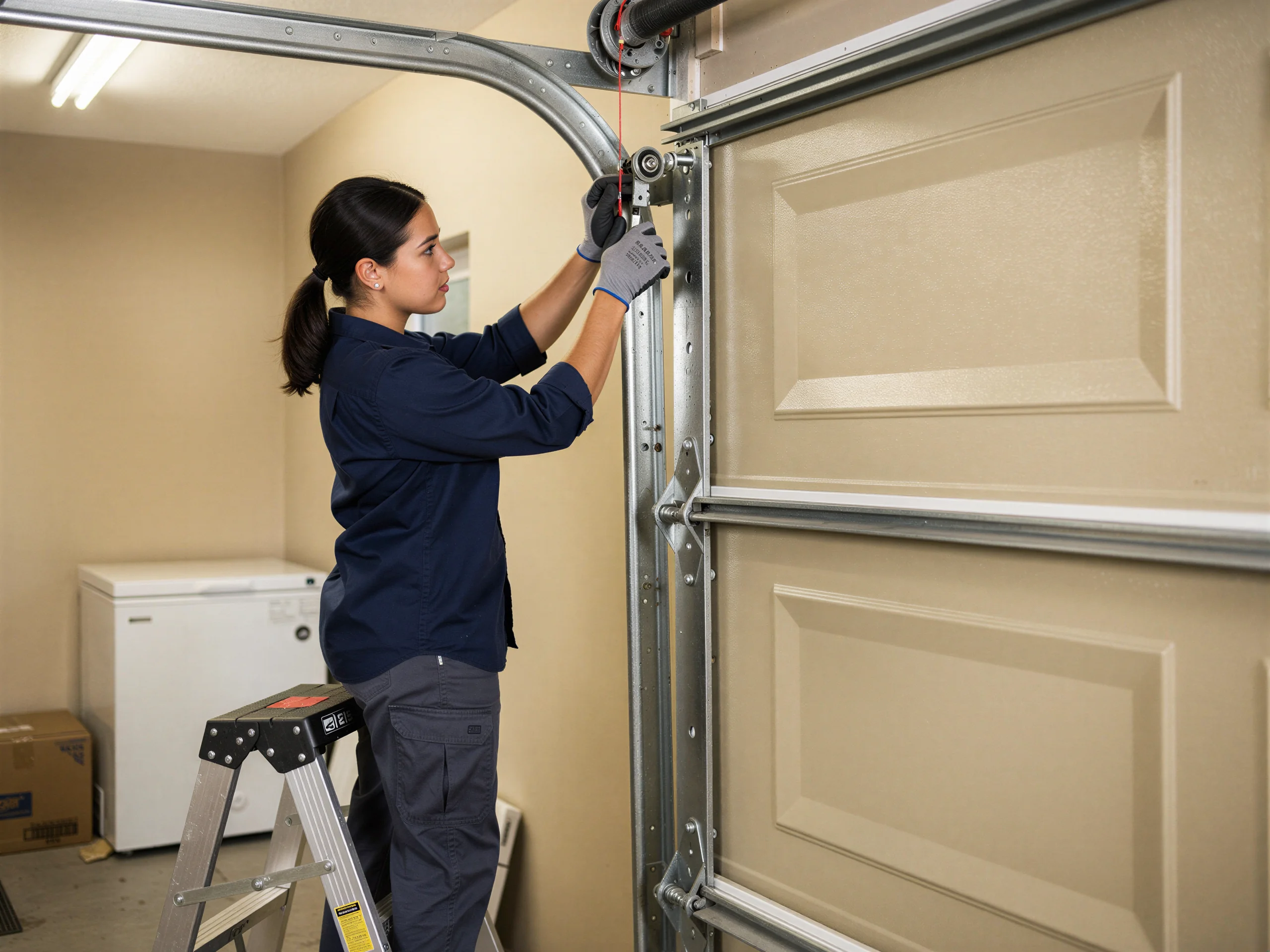
Roller Replacement
Safety Harbor homes built around 1984 still run original steel rollers. Learn more →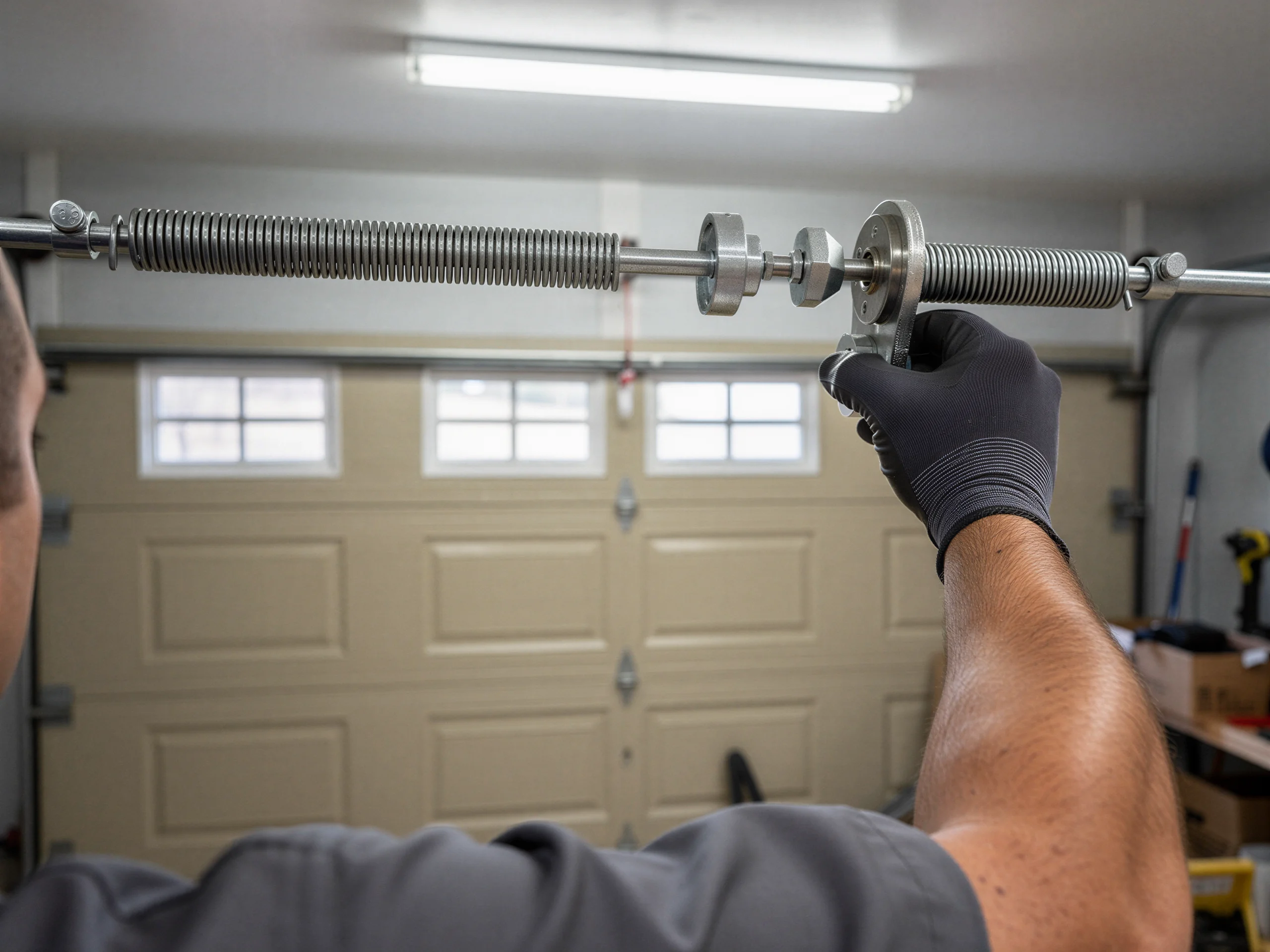
Ready when you are
Garage door trouble in Safety Harbor?
Lutz Garage Door Pros repairs and installs garage doors, springs and openers in Lutz, FL and the surrounding area.